
 SUCO Performance series electronic pressure switches (0500/0501) are available plasma cleaned for oxygen applications. For oxygen applications, the EPDM diaphragm is limited to a media temperature of max. +60 °C, and the operating manual rates these switches for use in oxygen up to 10 bar.
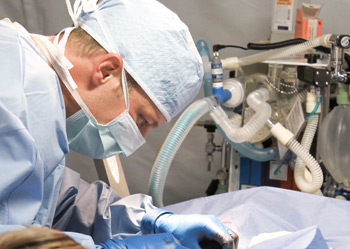
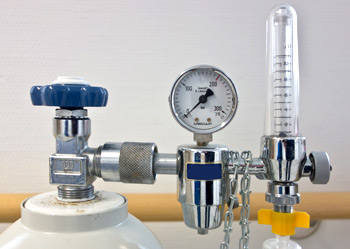
Liquid or gaseous oxygen (O2) in compressed form is an essential component of many medical applications,such as respiratory or anesthesia equipment. In autogenous welding or cutting, an oxygen-gas mixture is ignited in a controlled manner to process large work pieces. Strict safety regulations apply when handling oxygen. The colorless and odorless gas itself is not flammable, but accelerates the combustion process of organic substances considerably. Even a small spark is enough to cause lubricants or greases to ignite spontaneously or explode.
High safety requirements
The demand for components free of oil and grease has increased rapidly in recent years. This is due to international standards such as ASTM G93:2019 of the American Society for Testing and Materials as well as national regulations (NFPA 51, CGA G-4.1, VDMA 24364) and regulations of the professional associations in the respective country of use.
As a manufacturer of high quality components for pressure monitoring, SUCO ESI North America recommends using only components cleaned for oxygen service when handling oxygen and other highly flammable media. For the 0500/0501 Performance series, this option is listed on the datasheet as “plasma cleaned for oxygen applications.”
The eco-friendly cleaning process is based on the ionization of oxygen molecules under vacuum and subsequent transfer into the highly reactive plasma state.
What PWIS means for coating processes
 The acronym “PWIS” refers to paint-wetting impairment substances, such as lubricants, oils, greases or silicones, which, even in small quantities, can cause partial coating defects – so-called craters – as well as large-area wetting and binding disorders of the entire paint film. In addition to rising costs due to rejects and manual repairs, the adhesion, durability and ultimately the quality of the coating suffer most from the contamination.
The demands on OEMs and their suppliers with regard to PWIS-free individual parts are therefore very high.