
Experience SUCO ESI North America’s Pressure Switches & Pressure Transducers
From mobile hydraulics to construction and industrial automation, we showcase practical solutions and connect with so many great people in the field.
Our products are known for:
- Precision performance under extreme pressure, temperature, and vibration conditions.
- Customizable solutions for OEM applications – tailored to meet your exact system requirements.
- Reliability: SUCO Pressure switches ensure reliable and consistent operation, minimizing downtime and improving production efficiency.
- ISO 9001:2015 certified quality ensuring consistent performance and manufacturing excellence.
- Proudly serving customers across the USA, Canada, and Latin America with responsive local support.
- 100% function-tested and approved products to guarantee dependable operation from day one.



Hydraulic pressure switches are crucial for protecting construction equipment from costly damage. By choosing the right switches, installing them correctly, and performing regular maintenance, you can prevent failures, increase equipment life, and enhance safety.
Protect Your Equipment
Pressure switches are the “nervous system” of hydraulic circuits. Unlike passive gauges, they actively monitor pressure and act when limits are exceeded by shutting down pumps, activating warnings, or diverting fluid through relief circuits. They monitor main system pressure (preventing pump damage), pilot pressure (ensuring control), filter pressure (alerting for replacements), brake and steering circuits (safety), and cooling pressure (preventing overheating).
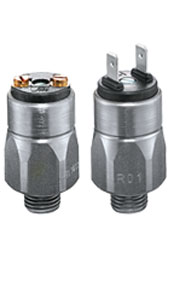 Choosing the Right Hydraulic Pressure Switch
- Pressure Range and Accuracy
- Choose switches rated 125% above normal operating pressure. For a system running at 4,000 PSI, select a 5,000-6,000 PSI switch.
- Accuracy matters, look for switches with ±1-2% accuracy to avoid potential failures.
- Vibration and Shock Resistance
- Mobile equipment faces heavy vibrations. Select switches rated for mobile environments, meeting standards like ISO 16750 for vibration resistance.
- Environmental Protection
- Ensure switches are sealed against water, dust, and temperature extremes (-40°C to +85°C).
Common Failures and Prevention
- Pressure Port Leaks: Caused by loose connections or damaged seals. Prevent by ensuring proper torque and vibration-resistant mounting.
- False Triggering: Can occur due to contamination or incorrect setpoints. Maintain proper filter and electrical connection.
- Corrosion: Use IP-rated connectors and apply dielectric grease during installation to protect against water and contamination.
- Vibration Fatigue: Use switches designed specifically for mobile equipment to prevent premature failure from vibrations.
Installation Best Practices
- Mounting and Location
- Avoid installing switches directly on high-vibration parts like pumps. Use vibration-isolated mounting for longer life.
- Pressure Connections
- Use proper hydraulic thread sealants (no Teflon tape) and torque connections as per manufacturer specs.
- Electrical Connections
- Route cables away from sharp edges, moving parts, and heat. Ensure proper grounding to avoid electrical noise.
Maintenance for Longevity
- Routine Inspections
- Monthly visual checks for leaks and damage. Quarterly functional tests to ensure switches trigger at the correct pressure.
- Fluid Maintenance
- Keep hydraulic fluid clean to prevent contamination from damaging switches. Follow ISO cleanliness standards (ISO 16/14/11 or better).
- Tracking Performance
- Keep maintenance logs to track switch performance and detect early signs of issues like contamination or excessive pressure spikes.