
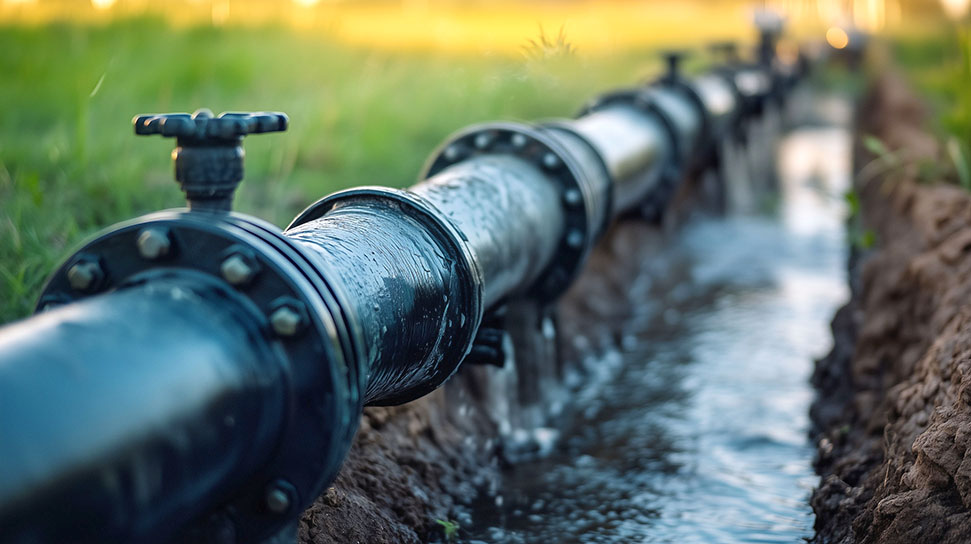
Municipal water treatment facilities run 24 hours a day, 365 days a year. There’s no scheduled downtime. There’s no acceptable failure window. And yet, pump failures remain one of the most common and most costly—disruptions in water and wastewater infrastructure.
A single pump failure in a large treatment facility can halt operations, trigger regulatory violations, and cost tens of thousands of dollars in emergency repairs. The equipment that prevents those failures often gets overlooked: pressure switches.
This guide explains how water and wastewater treatment pressure switches protect pumps, what to look for when selecting them, and how proper configuration can dramatically extend equipment life across municipal and industrial water systems.
Why Pump Protection Matters in Water Treatment
Water treatment pumps operate under constant stress. They move raw influent, transfer chemicals, push treated water through distribution lines, and manage effluent in wastewater systems. Across all of these functions, pressure is the critical variable.
Run-dry conditions—where a pump operates without adequate fluid—can destroy mechanical seals and bearings within minutes. Deadhead pressure, where a pump runs against a closed valve, generates heat and cavitation that accelerates wear. Overpressure events can rupture lines or damage downstream equipment.
Pressure switches are the first line of defense against all of these scenarios. When pressure drops below a safe threshold or rises beyond acceptable limits, a properly configured pressure switch sends a signal to shut down the pump, trigger an alarm, or activate a backup system—before damage occurs.
For maintenance managers working with constrained budgets, this isn’t just about reliability. It’s about avoiding the kind of unplanned capital expenditure that can disrupt an entire fiscal year.
Understanding How Pressure Switches Work in This Application
A pressure switch monitors pressure in a system and opens or closes an electrical circuit when the pressure reaches a specific setpoint. In water treatment systems, pressure switches help control equipment and protect pumps from unsafe operating conditions.
Understanding how a pressure switch works is important when selecting and installing one for a water treatment or pump application.
Pressure Switches for Pump Protection
Pressure switches are commonly used to protect pumps from low or high pressure conditions.
-
Low-pressure protection: A pressure switch can monitor the pump inlet or suction side. If the inlet pressure drops too low, it may indicate a dry-run condition, low water supply, or another system problem.
-
High-pressure protection: A pressure switch can monitor the pump discharge side and detect pressure that exceeds the desired limit.
-
Combined protection: Some systems use pressure switches on both the suction and discharge sides to keep the pump operating within a safe pressure range.
What Is Pressure Switch Deadband?
The difference between the pressure at which a switch turns on and the pressure at which it turns off is called the deadband or differential setting.
Choosing the correct differential is important for reliable pump operation:
-
A differential that is too narrow can cause the pump to start and stop frequently, known as short cycling. This can increase pump wear.
-
A differential that is too wide can allow the system to operate outside its preferred pressure range.
-
The correct setting depends on the hydraulic characteristics of the water system, pump requirements, and the pressure switch’s mechanical specifications.

Key Applications Across Water and Wastewater Systems
Water and wastewater treatment pressure switches appear throughout the treatment chain, each application carrying specific requirements.
Raw Water Intake and Pre-Treatment
Intake pumps pulling from rivers, reservoirs, or groundwater aquifers are vulnerable to low-suction conditions caused by seasonal water level changes or clogged screens. Pressure switches on the suction side can detect these conditions before the pump runs dry.
Chemical Dosing Systems
Dosing pumps that inject chlorine, coagulants, or pH-adjustment chemicals operate at relatively low flow rates but high precision. A blocked injection point or empty chemical tank creates pressure anomalies that a well-placed pressure switch can detect and respond to immediately.
Filtration and Membrane Systems
Reverse osmosis and ultrafiltration systems are particularly sensitive to pressure excursions. Membrane damage from overpressure events can cost tens of thousands of dollars per module. Pressure switches provide a fast, hardwired response that electronic control systems alone cannot always match in response time.
Distribution and Booster Stations
Booster pumps maintaining pressure in distribution networks must respond to fluctuating demand. Pressure switches set at minimum and maximum thresholds prevent both under-pressure conditions (which can allow contamination through back-siphonage) and overpressure events that stress aging pipe infrastructure.
Wastewater Lift Stations
Lift station pumps handling raw sewage operate in harsh environments with debris-laden fluid. These applications demand robust pressure switches with high ingress protection ratings and corrosion-resistant wetted materials. A pump running against a blocked discharge line will experience rapid pressure rise—exactly the condition a discharge-side pressure switch is designed to detect.
Selecting the Right Pressure Switch for Water Treatment
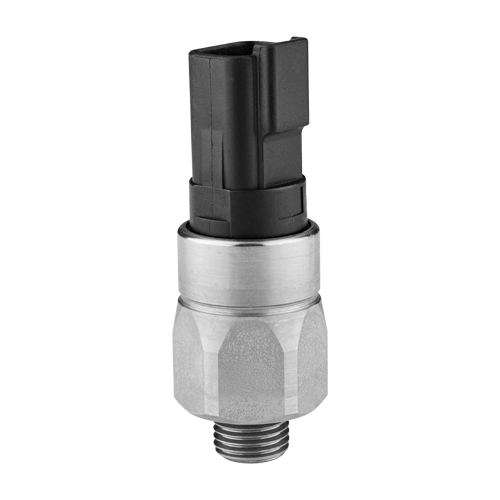 Selecting the wrong device for a demanding environment is one of the most common and preventable problems in industrial instrumentation. Avoiding common pressure switch selection errors is particularly important in water treatment, where environmental exposure, fluid compatibility, and regulatory requirements all interact.
Several factors drive the selection decision:
- Pressure range: The operating pressure must fall within the middle third of the switch’s rated range for best accuracy and longevity. Never size a switch where normal operation runs near its maximum rating.
- Wetted materials: Water treatment fluids range from relatively clean potable water to aggressive chemical solutions and corrosive wastewater. Stainless steel wetted parts are standard for most applications; PTFE-coated or all-plastic internals may be required for highly corrosive media.
- IP rating: Outdoor installations, wash-down environments, and below-grade installations require minimum IP65 protection. Submerged applications or high-pressure wash environments may require IP67 or IP68.
- Electrical output: Mechanical pressure switches with SPDT or DPDT contacts are common for direct pump control. Electronic pressure switches offer adjustable setpoints and additional diagnostic outputs for SCADA integration.
- Certifications: Wastewater facilities handling biogas or other flammable gases may require ATEX or IECEx-rated devices for safe area classification compliance.
It’s also worth understanding the broader distinction between device types before finalizing specifications. Understanding the differences between pressure sensors, switches, and transducers helps ensure you’re specifying the right technology for the function—not just a familiar part number.
Best Practices for Installation and Maintenance
Even a correctly specified pressure switch will underperform if it’s installed poorly or maintained inconsistently. These practices reflect what works in real treatment plant environments.
Installation
- Mount pressure switches to minimize vibration transmission from the pump. Use flexible impulse lines or isolation mounts where needed.
- Install isolation valves to allow switch replacement without depressurizing the entire system.
- Position the switch to avoid fluid traps or air pockets that can give false readings—especially in suction-side applications.
- For aggressive media, use a diaphragm seal to isolate the switch internals from direct fluid contact.
Commissioning
- Verify setpoints against actual system pressure using a calibrated reference gauge before final installation.
- Test trip response by slowly raising or lowering system pressure to confirm the switch actuates at the correct setpoint.
- Document setpoints, differential settings, and test results in the facility maintenance management system.
Ongoing Maintenance
- Include pressure switch testing in quarterly or semi-annual preventive maintenance cycles.
- Check for drift in setpoints annually, particularly in high-vibration or high-temperature installations.
- Replace aging mechanical switches on a defined lifecycle schedule rather than waiting for failure—especially in critical pump protection roles.
Municipalities and utilities that invest in preventive maintenance programs typically see significantly lower emergency repair costs. Given that maintenance budgets are frequently exhausted before fiscal year-end, addressing pressure switch condition proactively avoids the kind of emergency procurement that strains both operations and procurement teams.
SUCO ESI North America and Water Treatment Applications
SUCO ESI North America draws on over 80 years of German engineering expertise in pressure measurement technology. The company’s pressure switch portfolio includes solutions specifically suited to the demanding conditions found in water and wastewater treatment—from high-cycle mechanical switches for pump control applications to electronic pressure switches with adjustable setpoints and SCADA-compatible outputs.
For water treatment applications requiring robust construction, corrosion-resistant materials, and reliable performance across wide temperature ranges, SUCO ESI North America provides both standard and application-specific configurations. Engineering support is available to help instrumentation teams select the correct device and verify compatibility with existing system designs.
To learn more about the full range of pressure switches for water and wastewater treatment, including detailed specifications and application guidance, visit SUCO ESI North America’s dedicated resource page.
Frequently Asked Questions
What are two types of pressure switches?
The two primary types are mechanical pressure switches and electronic pressure switches. Mechanical switches use a physical sensing element—such as a diaphragm, piston, or bellows—that deflects under pressure and actuates a snap-action electrical contact. Electronic pressure switches use a solid-state sensing element and internal circuitry to detect pressure and trigger an output signal. Mechanical switches are valued for their simplicity and reliability; electronic switches offer adjustable setpoints, LED status indicators, and compatibility with digital control systems.
What happens when a water pressure switch goes bad?
A failing pressure switch can manifest in several ways: the pump may not start when pressure drops below the cut-in point, the pump may short-cycle rapidly, or the switch may fail to shut down the pump when it should. In water treatment systems, a failed switch can allow a pump to run dry and destroy its mechanical seal, or permit system pressure to exceed safe limits. Both scenarios can cause costly equipment damage and service interruptions. Burned contacts, worn diaphragms, and setpoint drift are common failure modes in aging mechanical switches.
How do I know which pressure switch to buy?
Start with four parameters: the system’s operating pressure range, the type of fluid being monitored, the electrical requirements of the control circuit, and the environmental conditions at the installation point. From there, check for required certifications (such as ATEX for hazardous areas), confirm that wetted materials are compatible with the process fluid, and verify the IP rating is appropriate for the installation environment. When in doubt, working with a manufacturer’s application engineering team—as offered by SUCO ESI North America—can help narrow down the correct specification quickly.
What is the purpose of a pressure switch?
A pressure switch monitors fluid or gas pressure within a system and triggers an electrical response when pressure crosses a defined threshold. In pump protection applications, this means shutting down a pump before it sustains damage from low-suction or overpressure conditions. More broadly, pressure switches serve as automatic control and safety devices—starting and stopping equipment based on system pressure, triggering alarms when pressure moves outside safe limits, and providing reliable, hardwired protection independent of software-based control systems.
Final Thoughts
Water treatment infrastructure operates under enormous pressure in every sense. The pumps that keep treatment systems running are expensive, difficult to replace quickly, and critical to public health. Pressure switches are the low-cost, high-reliability solution that keeps those pumps operating safely within their design parameters.
Selecting the right pressure switch, installing it correctly, and setting it properly are important for reliable pump protection and system performance. If you need help selecting a pressure switch for a water or wastewater treatment application, contact SUCO ESI North America to discuss your application requirements with an application engineer.

About SUCO ESI North America
SUCO ESI North America is an industrial pressure measurement technology specialist serving oil & gas, aerospace, construction, and emerging hydrogen technology sectors. With German engineering precision and expertise in extreme environments and hazardous area compliance, the company provides reliable pressure switches, transducers, and sensors for demanding applications. Their solution-focused approach emphasizes technical customization, safety compliance, and expert support for engineering professionals and technical decision-makers who prioritize long-term reliability over cost. Visit sucoesi.com →