

Pressure Switches for Water & Wastewater Treatment: Applications, Selection Guide & Best Practices
Water and wastewater treatment systems rely on consistent pressure to keep pumps, filters, membranes, and distribution equipment operating safely and efficiently. Pressure changes caused by clogged filters, pump failures, or water hammer can reduce performance, damage equipment, and lead to unplanned downtime.
Pressure switches monitor system pressure and automatically trigger an electrical switching action when a preset pressure is reached. They are commonly used for pump control, dry-run protection, filter monitoring, and overpressure shutdown across municipal, industrial, and commercial water system.
This guide covers the most common water treatment applications, key selection criteria, and installation considerations when specifying a pressure switch.
Pressure Switch Applications in Water Treatment
Pressure switches are used throughout water treatment and wastewater systems to improve equipment protection, automate process control, and maintain reliable operation.
Pump Control
Pressure switches automatically start or stop pumps based on system pressure. They help maintain consistent pressure while reducing unnecessary pump cycling and protecting equipment.
Common applications include:
- Booster pump systems
- Well water systems
- Water storage tanks
- Irrigation systems
- Municipal water distribution
- Water transfer pumps
For OEM equipment manufacturers, pressure switches provide a dependable control solution that integrates easily with new or existing pump systems.
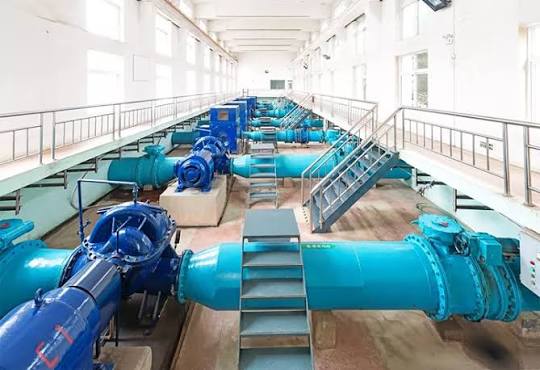
Reverse Osmosis (RO) Systems
Reverse osmosis systems operate at significantly higher pressures than many other water treatment processes. Pressure switches help protect RO feed pumps, membranes, and piping by monitoring both high and low operating pressures.
Typical applications include:
- High-pressure pump protection
- Low-pressure inlet monitoring
- Membrane protection
- RO skid control
- System shutdown during abnormal pressure conditions
Filter Monitoring
As filters collect contaminants, pressure loss across the filter increases. A differential pressure switch monitors the pressure difference between the inlet and outlet to indicate when maintenance is required.
Typical functions include:
- Filter clog detection
- Automatic backwash initiation
- Maintenance alarms
- Flow monitoring
Using differential pressure monitoring helps maintain system efficiency while reducing unnecessary maintenance.
Chemical Dosing Systems
Chemical dosing equipment often handles chlorine, acids, caustics, and other treatment chemicals. Pressure switches monitor dosing pumps and process lines while protecting equipment from pressure fluctuations and abnormal operating conditions.
Wastewater Lift Stations
Lift stations rely on pumps to move wastewater through collection systems. Pressure switches monitor discharge pressure, protect pumps from dry running, and provide alarm or shutdown functions when abnormal conditions occur.
Dry-Run Protection
Running a pump without sufficient water can quickly damage seals, impellers, and motors. Low-pressure switches detect loss of suction or prime and automatically stop the pump before damage occurs.
Common causes include:
- Empty tanks
- Low water levels
- Blocked suction lines
- Pump cavitation
- High-Pressure Protection
Pressure spikes caused by water hammer, closed valves, or equipment failures can exceed system design limits. High-pressure switches provide an independent shutdown signal when pressure exceeds the configured setpoint, helping protect pumps, piping, filters, and pressure vessels.
How to Select a Pressure Switch for Water Treatment
Selecting the right pressure switch depends on the process media, operating conditions, and control requirements.
Consider the following:
- Pressure range and switching setpoint
- Process connection size and type
- Wetted material compatibility
- Electrical output (SPDT, SPST, NPN, PNP)
- Operating temperature
- Ingress protection (IP) rating
- Vibration resistance
Pressure Switch Types
| Switch Type | Typical Application | Primary Benefit |
|---|---|---|
| High Pressure Switch | Overpressure protection | Protects equipment from excessive pressure |
| Low Pressure Switch | Dry-run protection | Prevents pump damage |
| Differential Pressure Switch | Filter monitoring | Detects pressure drop across filters |
| Mechanical Pressure Switch | Pump control | Simple, reliable switching without external electronics |
| Electronic Pressure Switch | PLC and automation systems | Adjustable setpoints and digital outputs |
Wetted Materials for Water & Wastewater Applications
Material selection is critical for long service life and reliable operation.
| Process Media | Recommended Wetted Material |
|---|---|
| Potable water | 316L Stainless Steel |
| Municipal water | 316L Stainless Steel |
| Wastewater | 316L Stainless Steel |
| Chlorinated water | 316L Stainless Steel |
| Chemical dosing | Hastelloy® C-276 |
| High-purity or RO water | PTFE or PVDF |
Always verify material compatibility with the process media, operating temperature, and chemical concentration.
Installation Considerations
Proper installation improves pressure switch performance and extends service life.
Mounting Location
Install the pressure switch close to the measurement point whenever possible while avoiding locations with excessive vibration or pulsation.
Vibration
Continuous vibration from pumps can affect switch accuracy and contact life. For severe applications, remote mounting with a capillary line or vibration isolation may improve long-term reliability.
Environmental Protection
Choose an enclosure with an IP rating suitable for the installation environment.
Typical recommendations include:
- IP65 for general industrial installations
- IP67 for wet process areas
- IP68 for submersible or flood-prone locations
 Pressure Switch Selection Checklist
Before specifying a pressure switch, confirm:
- Operating pressure range
- Pressure setpoint
- Maximum system pressure
- Process media compatibility
- Wetted materials
- Electrical rating
- Output type
- Process connection
- Operating temperature
- IP rating
- Required approvals or certifications
Frequently Asked Questions
What is a pressure switch used for in water treatment?
A pressure switch monitors water system pressure and activates or deactivates electrical circuits when a preset pressure level is reached. In water treatment applications, pressure switches are commonly used for pump control, dry-run protection, filtration monitoring, reverse osmosis systems, and overpressure protection.
What’s the difference between a pressure switch and a pressure transmitter?
A pressure switch provides an on/off electrical output at a preset pressure. A pressure transmitter continuously measures pressure and sends an analog or digital signal to a PLC or control system.
When should I use a differential pressure switch?
Differential pressure switches are used to monitor pressure loss across filters, strainers, and membranes. They are commonly used to indicate clogged filters or initiate automatic backwash cycles.
Can pressure switches be used with potable water?
Yes. Pressure switches with compatible wetted materials, such as 316L stainless steel, are widely used in potable water and municipal water systems. Verify any required drinking water certifications for your application.
How do I choose the correct pressure range?
Select a switch with a pressure range that covers normal operating pressure while allowing sufficient margin for temporary pressure spikes. The switching setpoint should fall within the adjustable range of the device.
Pressure Switch Solutions for Water & Wastewater Systems
Contact SUCO ESI North America for expert support with water and wastewater pressure monitoring applications. Our engineering team provides technical guidance, application assistance, and custom pressure switches solutions designed for pump control, filtration, RO systems, and demanding water management environments.
Email: sales@sucoesi.com | Phone: 561-212-8937