
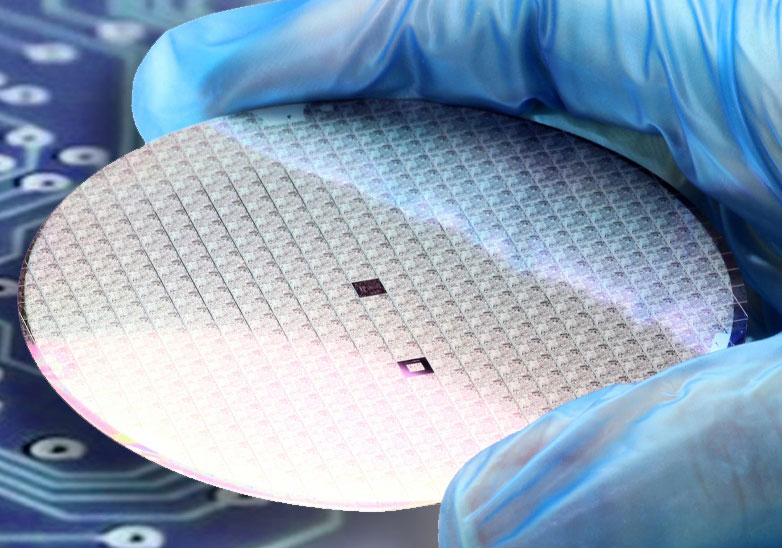
Why Traditional Pressure Sensors Fail in Harsh Conditions
When a pressure transducer fails in a petrochemical plant or during a critical aerospace mission, the consequences go far beyond replacing a sensor. Production halts cost thousands per minute, safety systems are compromised, and in the worst cases, lives may be at risk. The real question for engineers isn’t whether to invest in reliable pressure measurement; it’s which technology can truly withstand harsh industrial environments while delivering accurate, dependable readings.
Silicon-on-Sapphire (SOS) pressure transducers offer a groundbreaking solution, far outperforming conventional sensors in temperature extremes, aggressive media, and vibration-heavy environments.
Why Traditional Pressure Sensors Often Fail
Standard piezoresistive sensors struggle with:
- Temperature extremes: Thermal expansion mismatches cause signal drift.
- Corrosive or reactive media: Stainless steel diaphragms degrade in aggressive chemicals or hydrogen service.
- Mechanical fatigue: Oil-filled or metal diaphragms can fail under repeated pressure spikes or vibration.
These vulnerabilities make conventional sensors unreliable for critical applications like offshore oil platforms, aerospace systems, or heavy construction machinery.
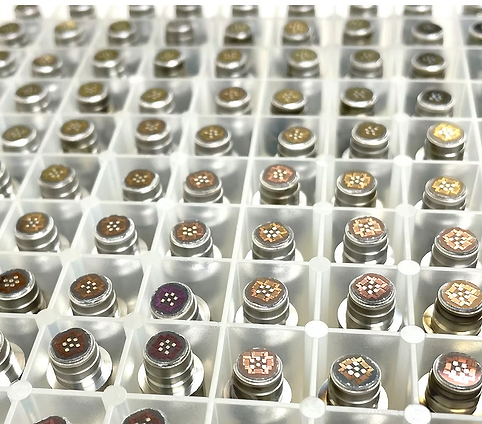 Understanding Silicon-on-Sapphire Technology
In ESI SOS transducers, a piezoresistive silicon strain gauge circuit is epitaxially grown onto the surface of a sapphire diaphragm, and the sapphire sensor element is molecularly bonded to a titanium alloy sub-diaphragm. The silicon layer converts mechanical stress into electrical signals.
Key material advantages of sapphire:
- Hardness: Second only to diamond, resisting mechanical wear.
- Chemical inertness: Sapphire resists most chemicals; in ESI SOS transducers the process media contacts the titanium alloy wetted parts rather than the sapphire itself.
- Thermal stability: Silicon-on-Sapphire gives excellent stability over a wide temperature range. ESI SOS transducers are available for operating temperatures up to +200 °C (HI5000); check each datasheet for its rated range.
This combination eliminates common failure modes, resulting in highly reliable, long-lasting pressure measurement.
Performance Advantages in Harsh Environments
Temperature compensation represents one of the most challenging aspects of pressure measurement in industrial environments. Traditional sensors rely heavily on electronic compensation circuits to correct for thermal effects, essentially using software to mask hardware limitations. Silicon on sapphire pressure transducers minimize the need for aggressive compensation because the sensing element inherently resists thermal influences.
Media Compatibility Without Compromise
Wetted materials determine media compatibility. Industrial pressure transducers often fail prematurely because process media attacks the sensing diaphragm; a particular concern with hydraulic fluids, aggressive chemicals, and hydrogen service. In ESI SOS transducers, the sapphire sensor element is bonded to a titanium alloy sub-diaphragm, so the titanium alloy wetted parts, not the sapphire, are in contact with the process media. They are suitable for all fluids compatible with titanium alloy.
For hydrogen applications where metal embrittlement poses serious reliability risks, material choice matters. ESI hydrogen transducers such as the GS4200H combine SOS sensing with titanium alloy wetted parts tested according to ISO 11114-2:2017 for hydrogen compatibility. As hydrogen infrastructure expands globally, the need for harsh environment transducers that won’t degrade in hydrogen service becomes increasingly critical.
Long-Term Stability and Reduced Maintenance
SOS sensors exhibit virtually no hysteresis and excellent long-term stability. This translates to:
- Reduced maintenance costs
- Longer calibration intervals
- Reliable performance in remote or hazardous locations
Critical Applications in Mobile Hydraulics
Construction equipment and mobile machinery present some of the most punishing conditions for pressure sensors. Vibration from diesel engines, shock loads from hydraulic cylinders, temperature extremes from arctic cold to desert heat, and contaminated hydraulic fluids create a perfect storm of failure mechanisms. Yet these machines depend on accurate pressure measurement for load sensing, overload protection, and efficient hydraulic control.
Silicon on sapphire pressure transducers excel in these environments precisely because they’re overbuilt for abuse. ESI SOS transducers offer high resistance to overpressure and pressure transients; the GS4200H, for example, withstands overpressure of up to twice the rated pressure, depending on range.
Modern excavators utilize electronic load management systems that adjust hydraulic flow based on implement pressure feedback. Inaccurate pressure readings cause the control system to misallocate hydraulic power, reducing productivity and increasing fuel consumption.
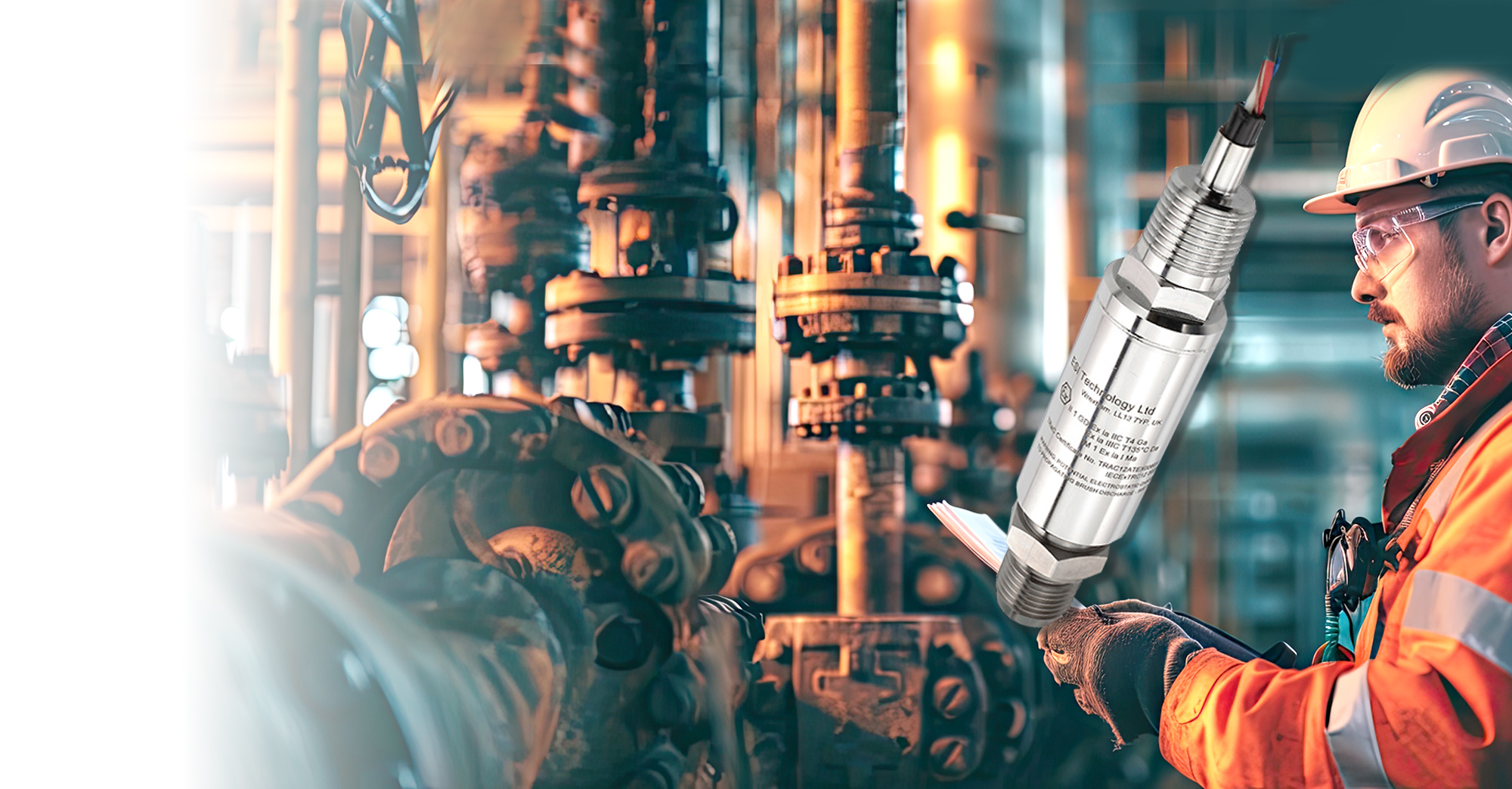
Critical Applications of SOS Transducers
1. Mobile Hydraulics & Construction Equipment
- Withstands vibration, shocks, and extreme temperatures
- Supports electronic load management for efficient hydraulic control
- Maintains accurate pressure readings for safety-critical systems
2. Oil & Gas Industry
- Delivers reliable pressure monitoring in high-temperature, high-pressure environments
- Resistant to corrosion, vibration, and harsh operating conditions in drilling and pipeline systems
- Ensures accurate measurements for process control, equipment protection, and operational safety
3. Safety-Critical Construction Applications
- Concrete pumps, asphalt pavers, and tower cranes rely on accurate pressure readings for safety systems
- SOS sensors handle dust, moisture, vibration, and impact loads while maintaining accuracy
> BROWSE Silicon-on-Sapphire Pressure Sensors
How to Choose the Right Pressure Sensor for Harsh Environments
When specifying extreme environment pressure transducers, consider:
- Temperature range: Cover ambient and process extremes
- Media compatibility: Account for cleaning agents, steam sterilization, or potential contamination
- Pressure spike resistance: Ensure sensors handle real-world transients
- Safety & compliance: ATEX, IECEx, SIL ratings, and PED directives for hazardous locations
Making the Right Choice: Why Choose SUCO ESI North America
SUCO ESI North America’s Silicon-on-Sapphire (SOS) transducers are designed and manufactured by ESI Technology Ltd in Wrexham, UK, for demanding industrial environments.
SOS transducers provide accuracy, stability, and long-term reliability, and the investment pays off through:
- Reduced maintenance
- Longer calibration intervals
- Avoided downtime
- Tailored solutions for your specific application
- Expert technical support during specification and troubleshooting
With SUCO ESI North America, you get long-lasting, high-performance sensors that deliver reliable measurements even under extreme temperatures, aggressive media, and high vibration—ensuring true cost savings over the life of the product.
Contact us to get expert help and the best solution for your application
Email: sales@sucoesi.com | Phone: 1-561-989-8499
Written by Skyler Libkie, SUCO ESI North America writer