
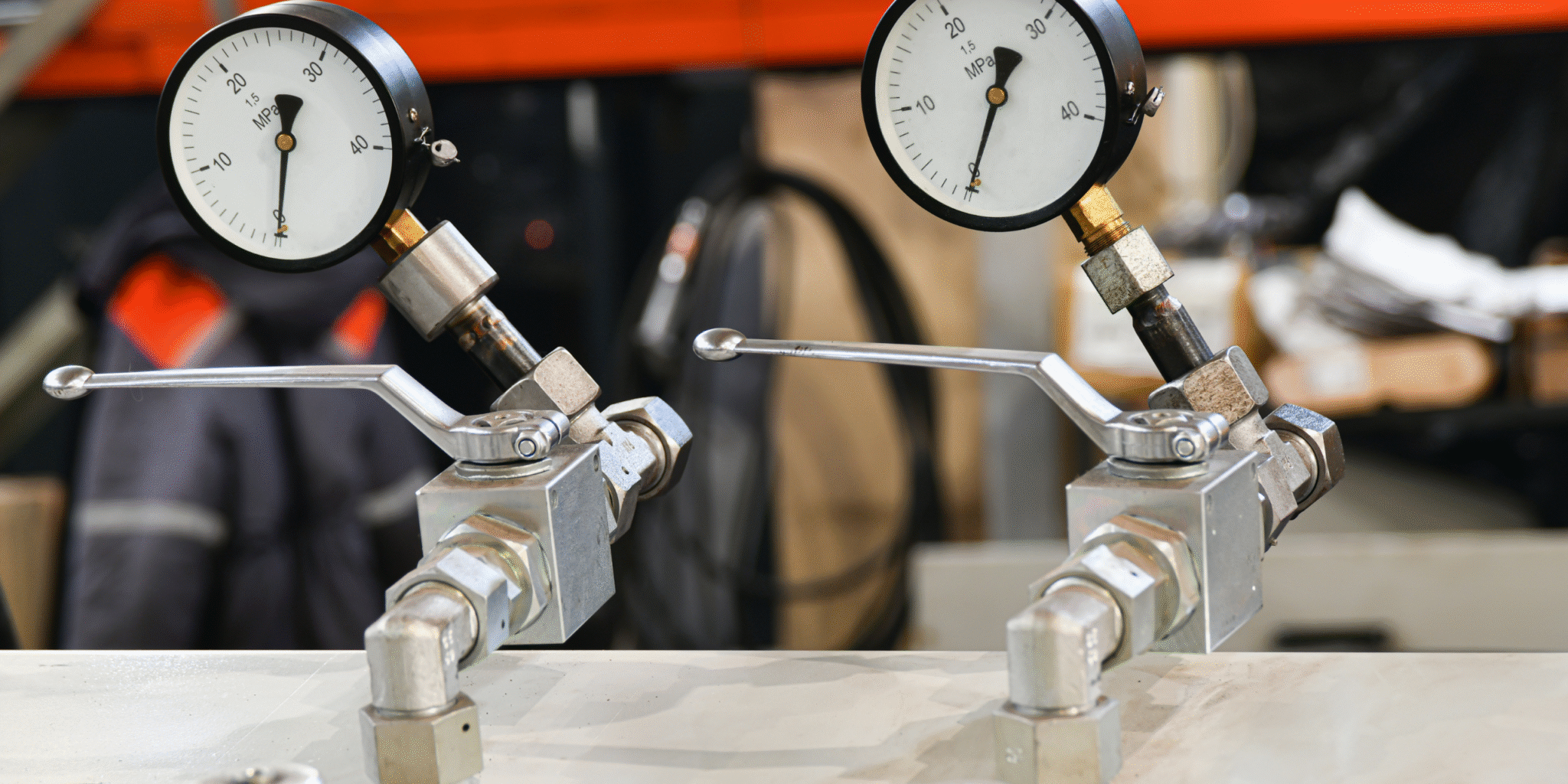
Florida’s extreme summer heat puts HVAC systems to the test. As temperatures soar past 95°F with intense humidity, reliable Mechanical and Electronic Pressure Switches; play a critical role in preventing system failures and maintaining indoor comfort.
SUCO ESI North America brings over 80 years of German engineering expertise to meet the needs of Florida’s demanding climate—and beyond. Whether you’re dealing with intense summer heat or year-round pressure demands, SUCO helps your HVAC systems perform at their best.
Why Florida’s Climate Demands Superior HVAC Pressure Switches
Temperature Extremes and System Cycling
Florida HVAC systems operate under constant stress that contractors in northern climates rarely experience. Air conditioning units in Miami, Tampa, Orlando, and Jacksonville run 8-10 months per year, creating:
- 3,000-4,000 annual operating hours vs. 1,500-2,000 in temperate zones
- Frequent pressure cycling from continuous on/off operation
- Elevated refrigerant pressures due to extreme outdoor ambient temperatures
- Accelerated component wear requiring more reliable switching technology
Coastal Corrosion Challenges
Properties within 10 miles of Florida’s 1,350 miles of coastline face aggressive salt spray conditions that destroy standard electrical components. SUCO ESI North America offers pressure switch options suited to these conditions:
- Stainless steel versions on selected series, such as the 0186, 0187, 0196 and 0197
- IP65 to IP67 / IP6K9K protection, depending on the electrical connection
- Gold-plated contacts on selected series, such as the 0190, 0191, 0196 and 0197, for stable switching at low currents
Understanding Mechanical vs. Electronic Pressure Switches for HVAC Applications
Selecting between mechanical and electronic switches for AC and HVAC systems requires understanding each technology’s strengths, limitations, and ideal applications within modern climate control systems.
 Mechanical Pressure Switches: Proven Reliability
Mechanical pressure switches use a spring-loaded diaphragm or piston that physically moves to activate electrical contacts when pressure reaches setpoints. This simple, time-tested design offers:
No external power required – Ideal for fail-safe safety applications
Durable – SUCO specifies a mechanical life expectancy of 1,000,000 cycles for its 0110 to 0124 diaphragm switches (at switching pressures up to 50 bar)
Wide temperature range – From -40°F to +248°F (-40°C to +120°C), depending on seal material
Simple installation – Direct replacement without programming or calibration
Best Applications for Mechanical Switches
- High/low refrigerant pressure cutouts preventing compressor damage
- Oil pressure safety switches on commercial chillers
- Water pressure protection in hydronic heating/cooling systems
- Simple on/off control applications without remote monitoring needs
Electronic Pressure Switches: Advanced Control and Monitoring
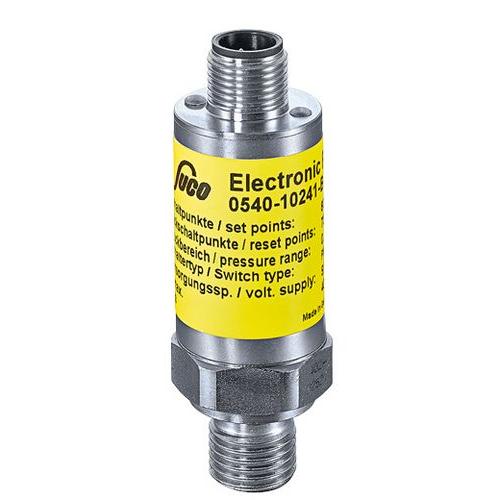
Electronic pressure switches use an electronic pressure sensor to provide switching outputs with high accuracy and added functionality. SUCO electronic switches use either a ceramic measuring cell (e.g. Series 0500/0501, 0520 and 0570) or Silicon-on-Sapphire (SoS) sensors (Series 0530 to 0533 and 0540 to 0546); SoS is also used in ESI pressure transducers. SUCO electronic switches offer:
±0.5% FS accuracy (±0.25% BFSL) on the Series 0540, compared with the wider setting tolerances of mechanical switches
Up to two switching outputs, with switching points programmed at the factory or, on the Series 0570, from the keypad
Analog 4-20 mA output alongside two switching outputs on the Series 0570
Silicon-on-Sapphire Technology: The SUCO ESI Advantage
Our SoS sensor technology delivers performance that traditional piezoresistive sensors cannot match:
| Performance Factor | Silicon-on-Sapphire | Standard Piezoresistive |
|---|---|---|
| Long-term Stability | Excellent long-term stability; no bonding agents between sensing element and sapphire | Bonding agents can age and cause instability |
| Temperature Compensation | Minimal drift across range | Requires complex circuitry |
| Hysteresis | Virtually zero | Depends on design |
| Vibration Resistance | Sapphire hardness (9 Mohs) | Moderate |
| Chemical Resistance | Sapphire inertness | Limited by adhesives |
Selection Guide: Choosing the Right Pressure Switch for Your Florida HVAC System
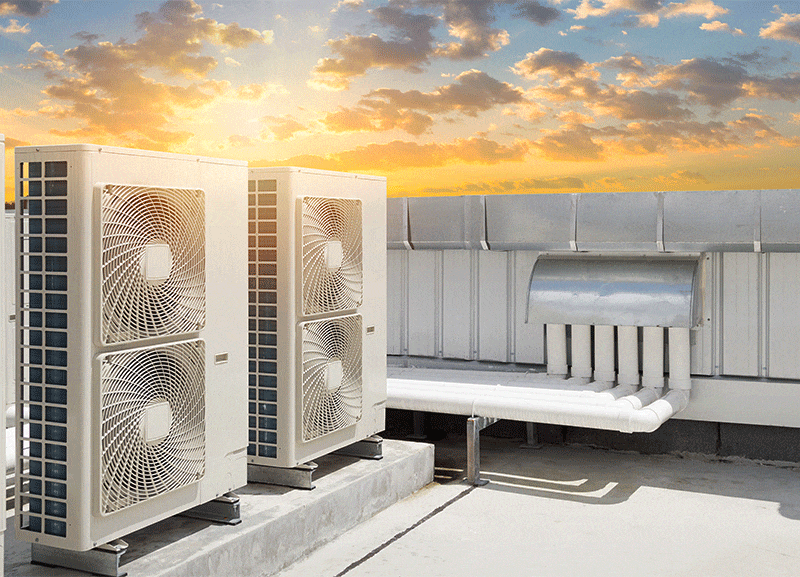 Proper selection of mechanical and electronic switches for AC and HVAC systems requires evaluating multiple technical and environmental factors specific to your application.
1. Pressure Range Requirements
Always size switches to operate at 60-70% of full scale for optimal accuracy and service life:
- Residential AC systems: 0-500 PSI (high side), 0-150 PSI (low side)
- Commercial chillers: 0-300 PSI (water side), 0-600 PSI (refrigerant)
- Industrial refrigeration: 0-500 PSI standard, up to 3,000 PSI for CO2 systems
2. Refrigerant Compatibility
Florida’s transition to low-GWP refrigerants makes material and seal compatibility important. SUCO ESI product pages do not list refrigerant ratings, so confirm compatibility for your refrigerant with our engineering team before ordering:
- R-410A (most common residential)
- R-32 (newer systems)
- R-454B, R-1234ze (commercial)
- Ammonia (R-717): requires materials rated for ammonia
3. Environmental Protection Requirements
| Location Type | Minimum IP Rating | Additional Requirements |
|---|---|---|
| Indoor mechanical rooms | IP54 | Standard protection |
| Rooftop installations | IP65 | UV-resistant housing |
| Coastal properties (<1 mile) | IP67 | 316L stainless, conformal coating |
| Outdoor equipment pads | IP65-67 | Weatherproof conduit connections |
| Pool/spa equipment rooms | IP67-68 | Chemical-resistant materials |
4. Electrical Requirements and Certifications
Florida building codes and insurance requirements often mandate specific certifications:
- UL 508 – Industrial control equipment standard compliance
- CSA C22.2 – Canadian Standards Association approval for cross-border projects
- ATEX/IECEx – Explosion-proof certification for hazardous locations
- Voltage ratings – Match to 24VAC, 120VAC, or 240VAC control circuits
SUCO ESI North America Product Recommendations by Application
For Residential and Light Commercial (<25 Tons)
- Model 0169 Series: Mechanical piston pressure switches, field-adjustable setpoint, CSA certified (C/US mark)
- Setting range: 725 to 2,900 psi (50 to 200 bar); for lower pressures, diaphragm switches such as the Series 0166 cover 1.45 to 725 psi
- Electrical: up to 42 V, 4 A (resistive load)
- Benefits: Cost-effective, proven reliability, simple installation
 For Commercial Buildings (25-500 Tons)
- GS4200 Series: General purpose pressure transducers with 4-20 mA output as standard
- Accuracy: ±0.25% of span BFSL (±0.1% option available)
- Features: 0-100 mV, 0-5 V or 0-10 V outputs optional; an RS-485 / Modbus RTU version is available as the GS4400
- Benefits: Analog outputs for building automation integration
For Industrial and Critical Facilities
- HI2000 Series: High-precision SoS pressure transducers, ATEX/IECEx versions available
- Performance: ±0.1% of span BFSL accuracy; ambient -40°F to +185°F (-40°C to +85°C), media -58°F to +257°F (-50°C to +125°C)
- Approvals: optional ATEX / IECEx (intrinsic safety)
- Benefits: High precision, hazardous-area option
Critical HVAC Applications Requiring Reliable Pressure Switches
Mechanical and electronic switches for AC and HVAC systems protect millions of dollars in equipment while ensuring occupant comfort across diverse Florida applications.
Commercial Building HVAC Systems
High-Rise Office Buildings
Miami’s skyline, Tampa’s downtown towers, and Orlando’s corporate centers depend on sophisticated HVAC systems where pressure monitoring is mission-critical:
- Chilled water systems (150-300 PSI operating pressures)
- Condenser water loops requiring differential pressure monitoring
- Variable refrigerant flow (VRF) systems with multiple pressure zones
- Building automation integration demanding reliable electronic signal output
Retail and Hospitality
Florida’s tourism industry relies on climate-controlled comfort in hotels, restaurants, and shopping centers where HVAC failure means lost revenue:
- Rooftop packaged units requiring high/low pressure cutouts
- Walk-in coolers and freezers with critical safety pressure switches
- Kitchen ventilation systems monitoring static pressure
- Multiple zone control utilizing electronic pressure switches
Industrial and Manufacturing Facilities
Food Processing and Cold Storage
Florida’s agriculture industry depends on precise climate control:
- Ammonia refrigeration systems requiring explosion-proof ATEX-certified switches
- Cold storage warehouses maintaining -20°F to 35°F temperatures
- Process cooling applications with corrosive refrigerant exposure
- FDA compliance requirements demanding documented calibration and reliability
Pharmaceutical and Healthcare
Miami’s growing life sciences sector and Florida’s extensive healthcare infrastructure require:
- Clean room environmental control with ±0.1°F temperature stability
- Laboratory HVAC systems maintaining precise negative/positive pressures
- Medical gas monitoring where failure isn’t an option
- ISO 13485 compliance for medical device manufacturing facilities according to ISO standards
Residential and Multi-Family Applications
Condominium and Apartment Complexes
Florida’s multi-family housing creates enormous HVAC equipment demands:
- Central chiller plants serving hundreds of units
- Individual split systems requiring reliable high/low pressure protection
- Pool equipment rooms with high humidity and chlorine exposure
SUCO Service Excellence
While SUCO ESI North America maintains a strong presence serving Florida from our Deerfield Beach, FL facility, our comprehensive network ensures coast-to-coast support across Canada, the USA, and latin america.
Comprehensive USA Coverage
From our St. Louis, MO headquarters and Florida facility:
- Technical support
- Custom solution development for unique HVAC applications
Canadian Market Expertise
- CSA certification (C/US mark) on many SUCO mechanical pressure switch series, including the 0110 to 0123, 0166 to 0171 and 0180 to 0187 series
- Cold-climate expertise for applications requiring -40°F performance
Mexico Manufacturing Support
Supporting Mexico’s growing industrial and manufacturing sectors:
- Hazardous area certifications (ATEX/IECEx on selected models) for petrochemical and industrial facilities
Request a Quote Today!
Ready to get precise, high-performance pressure measurement solutions for your industrial applications?
Email Us: sales@sucoesi.com
Installation Best Practices for HVAC Environments
Proper installation of mechanical and electronic switches for AC and HVAC systems helps prevent field failures and supports optimal performance.
Location and Mounting Considerations
Refrigerant Line Installations
- Mount switches in accessible locations for future service
- Install upstream of expansion devices on high-pressure side
- Use vibration dampening on compressor discharge lines
- Ensure proper orientation per manufacturer specifications (typically upright)
Environmental Protection
- Route electrical conduit with drip legs preventing water entry
- Apply dielectric grease to all electrical connections
- Use UV-resistant cable ties and protective sleeving
- Install sunshades on electronic switches exposed to direct Florida sun
Electrical Connections and Integration
Safety-Critical Wiring
Pressure switches protecting compressors should be wired in series with safety chain:
- High-pressure cutout (opens at 550-600 PSI for R-410A residential)
- Low-pressure cutout (opens at 25-50 PSI)
- Thermal overload protection
- Emergency stop circuit
Building Automation Integration
Electronic pressure transmitters require proper signal conditioning:
- 4-20mA loops: Use shielded twisted pair, maximum 500-1,000 ft runs
- 0-10V signals: Separate from power wiring, maximum 300 ft recommended
- Digital protocols: Follow MODBUS/BACnet network installation standards per ISA guidelines
- Grounding: Establish single-point grounds preventing ground loops
Why Quality Pressure Switches Pay for Themselves
Investing in reliable mechanical and electronic switches for AC and HVAC systems delivers measurable financial returns through multiple channels.
- Direct Cost Savings
- Reduced Emergency Service Calls
Extended Equipment Life
Reliable pressure monitoring helps protect compressors and chillers, which are among the most expensive components to replace in an HVAC system.
Operational Efficiency Gains
Energy Savings Through Optimal Performance
Accurate pressure monitoring enables precision system tuning:
- Electronic pressure monitoring enables predictive maintenance, preventing degraded efficiency
Troubleshooting Common Pressure Switch Issues in HVAC Systems
Understanding common failure modes helps maintain reliable operation of mechanical and electronic switches for AC and HVAC systems.
Mechanical Switch Failures
Symptom: Nuisance tripping (switch opens without actual pressure problem)
- Pressure spikes from liquid slugging → Install inline snubber/damper
- Vibration causing contact chatter → Add vibration isolation mounting
- Corrosion on contacts → Replace with higher-grade contact material (gold-plated)
- Setpoint drift from spring fatigue → Recalibrate or replace
Symptom: Switch fails to open at pressure setpoint
- Diaphragm damage from pressure overshoot → Install overpressure protection, replace switch
- Contact welding from high inductive loads → Add relay with proper coil suppression
- Internal corrosion → Use switches with proper environmental rating for application
Electronic Switch Troubleshooting
Symptom: Erratic 4-20mA signal output
Diagnostic Procedure:
- Verify power supply voltage (typically 12-36VDC)
- Check loop resistance (<500Ω for most transmitters)
- Inspect wiring for damaged insulation or moisture intrusion
- Test transmitter with precision resistor load
- Verify proper grounding preventing EMI interference
Symptom: Reading doesn’t match gauge pressure
Possible Causes:
- Zero/span adjustment needed (annual calibration recommended)
- Temperature compensation error (verify operating within rated range)
- Sensor drift (verify with calibration equipment)
Frequently Asked Questions
Q: How often should HVAC pressure switches be replaced in Florida’s harsh environment?
A: Replacement intervals depend on the installation, environment and switching duty, so follow the equipment manufacturer’s maintenance schedule and check switch operation during routine service. For reference, SUCO specifies a mechanical life expectancy of 1,000,000 cycles for its 0110 to 0124 diaphragm switches (at switching pressures up to 50 bar). Periodic calibration checks help ensure continued accuracy in critical applications.
Q: What’s the difference between a pressure switch and a pressure transducer?
A: A pressure switch provides simple on/off output at specific setpoints—ideal for safety cutouts and basic control. A pressure transducer (or transmitter) provides continuous analog or digital signal output proportional to pressure, enabling precise monitoring, data logging, and building automation integration. Modern HVAC systems often use both: switches for safety functions, transducers for optimization and monitoring.
Q: Can I use the same pressure switch for different refrigerants?
A: Generally yes for common refrigerants (R-22, R-410A, R-134a, R-404A) as they have compatible pressure ranges. However, newer low-GWP refrigerants (R-32, R-454B, R-1234yf) may require verification of elastomer compatibility. Ammonia (R-717) and CO2 (R-744) applications absolutely require specifically rated switches. Always consult manufacturer specifications before substituting refrigerants.
Q: Do electronic pressure switches require special programming for HVAC applications?
A: Basic electronic switches with fixed setpoints require no programming—simply wire the alarm outputs. Advanced transmitters with field-programmable setpoints typically use DIP switches or button sequences (no software required). Building automation integration via MODBUS/BACnet requires configuration but follows standard protocols that most BAS contractors handle routinely.
Q: Why choose SUCO ESI North America over cheaper alternatives from online suppliers?
A: The initial cost difference is small compared with the cost of a compressor failure or system downtime. SUCO ESI provides: (1) 80+ years of German engineering, (2) Silicon-on-Sapphire technology in ESI pressure transducers, (3) North American technical support, and (4) CSA certification on many mechanical switch series, with ATEX/IECEx versions of selected models. Additionally, counterfeit pressure switches from unauthorized sources create liability exposure for contractors and facility owners.
Q: How does SUCO ESI support customers across Canada, the USA, and Mexico?
A: Our offices in St. Louis, MO and Deerfield Beach, FL support customers across Canada, the USA, and Mexico with technical advice and product selection. Many SUCO mechanical pressure switch series carry CSA certification (C/US mark), and ATEX/IECEx-certified versions are available for selected models. If a pressure switch is in stock, our St. Louis center can set it to your setpoint and ship it the same day you order, with next-day delivery across North America.
Partner with Pressure Measurement Experts
When Florida’s demanding climate, diverse applications, and critical operational requirements intersect, you need mechanical and electronic switches for AC and HVAC systems engineered for extreme reliability. SUCO ESI North America brings Silicon-on-Sapphire technology, product certifications such as CSA and ATEX/IECEx on selected models, and 80+ years of pressure measurement expertise to your application.
Why HVAC Contractors and Facility Managers Choose SUCO ESI North America
- German Engineering Excellence – Precision manufacturing meeting the highest quality standards
- Florida-Specific Expertise – Understanding coastal corrosion, extreme heat, high humidity challenges
- Comprehensive Product Range – Mechanical and electronic solutions for every HVAC application
- Technical Support – Real engineers, not scripted call centers
- Fast Delivery – Stock and same-day setpoint calibration at our St. Louis engineering and distribution center, with next-day delivery across North America
- Long-Term Stability – Silicon-on-Sapphire sensors in ESI transducers offer excellent long-term stability
Request a Quote Today!
Ready to get precise, high-performance pressure measurement solutions for your industrial applications?
Email Us: sales@sucoesi.com
Whether you’re specifying pressure switches for a new construction project, upgrading aging HVAC equipment, or seeking reliable solutions for critical facilities, SUCO ESI delivers the performance, support, and value that keeps North American buildings comfortable and efficient.
Don’t let inferior pressure switches compromise your HVAC system’s reliability. Contact SUCO ESI today for expert product selection assistance, technical specifications, and competitive pricing on mechanical and electronic switches for AC and HVAC systems engineered to excel in Florida’s demanding environment—and throughout Canada, the USA, and Latin America.