
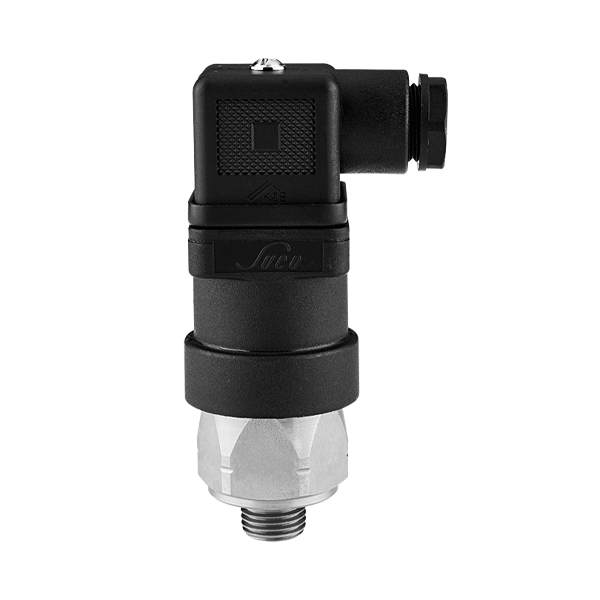
Mechanical Pressure Switches – Types, Working Principle & Applications

What Is a Mechanical Pressure Switch?

A mechanical pressure switch is a pressure-sensing device that mechanically opens or closes an electrical circuit when a preset pressure threshold is reached. Unlike electronic pressure sensors, mechanical pressure switches operate without external power, using internal components such as diaphragms, pistons, or bellows to detect pressure changes in liquids or gases.

SUCO ESI North America is a manufacturer of mechanical pressure switches are engineered for durability, accuracy, and long service life, making them a trusted solution for industrial pressure control applications throughout the United States, Canada, and Latin America.

How Does a Mechanical Pressure Switch Work?

A mechanical pressure switch works by converting fluid pressure into mechanical movement:

  1. Pressure is applied to a sensing element such as a diaphragm, piston, or bellows.

  2. As system pressure changes, the sensing element moves accordingly.

  3. When the pressure reaches a preset switching point, the mechanical movement activates an internal electrical contact.

  4. The switch opens or closes the circuit, triggering alarms, starting or stopping equipment, or activating control systems.

Once pressure returns to normal operating levels, the switch automatically or manually resets, depending on the design. SUCO’s mechanical switching technology ensures fast response, repeatable accuracy, and fail-safe operation, even in high-vibration, high-temperature, or electrically noisy environments.

Types of Pressure Switches

high pressure switches

High Pressure Switch

These high-pressure switches offer exceptional durability, with overpressure safety ratings up to 8,700 psi (600 bar). Their ability to withstand pressures far beyond their normal switching point makes them highly reliable and well-suited for demanding or harsh operating environments.
low pressure switches

Low Pressure Switch

Low pressure switches provide accurate and reliable control of small pressure changes, making them essential for pneumatic systems, HVAC, and low-pressure fluid monitoring. Their sensitive diaphragm ensures precise switching and protects equipment in applications that require low-force pressure control.
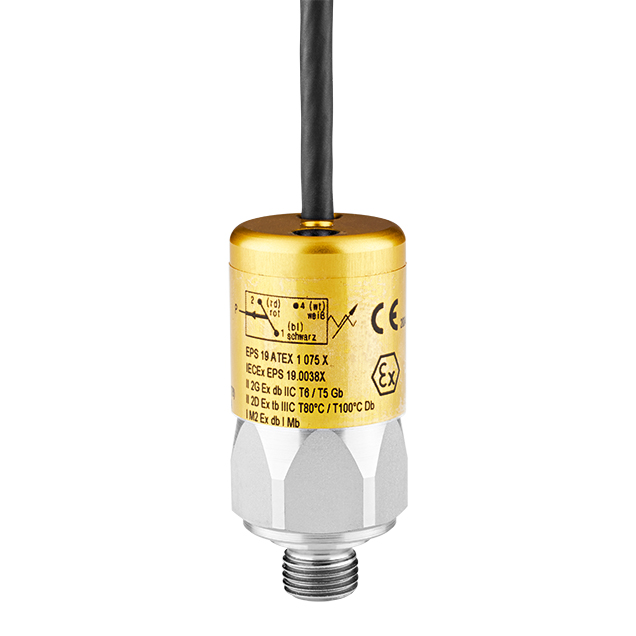
Highest Protection Pressure Switch ATEX

Explosion Proof Pressure Switch

An explosion-proof pressure switch is a sealed, heavy-duty device that safely monitors pressure in hazardous areas by preventing internal sparks from igniting flammable gases, vapors, or dust. It provides reliable, compliant pressure control in high-risk industrial environments.
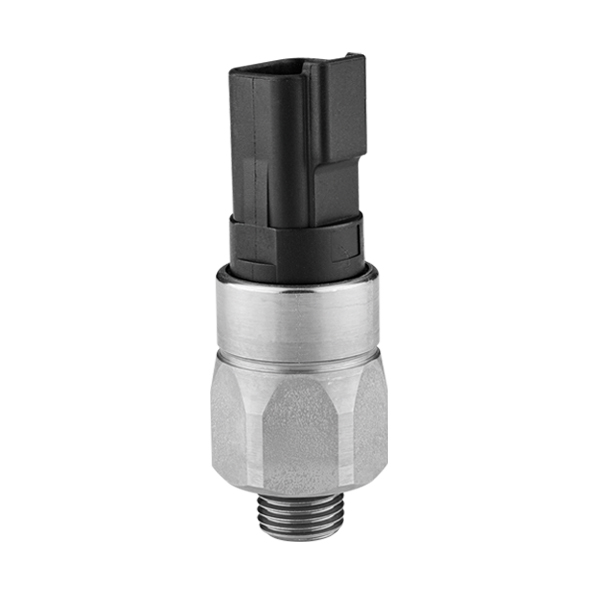
integrated pressure switch

Integrated Deustch Pressure Switch

Integrated pressure switches are used to provide reliable pressure monitoring in harsh, mobile, and outdoor environments. They feature a built-in Deutsch electrical connector, which offers a secure, waterproof, and vibration-resistant connection.
Snap Action Pressure switches

Snap Action Pressure Switch

A snap-action pressure switch quickly changes state when a set pressure is reached, providing fast, accurate, and reliable pressure control for efficient operation and equipment protection. It’s widely used in HVAC, compressors, pumps, and industrial systems across various demanding applications.

Applications of Mechanical Pressure Switches by Industry

pressure switch for water systems, water pumps

Industrial Automation

  • Monitoring hydraulic and pneumatic systems
  • Protecting machinery from overpressure conditions
  • Maintaining consistent operating pressure
  • Supporting safe and reliable production processes

HVAC & Refrigeration

  • Air conditioning systems – Control compressors based on refrigerant pressure.
  • Boilers and chillers – Maintain optimal pressure for efficient operation.

Automotive & Transportation

  • Brake systems – Monitor hydraulic brake lines in industrial vehicles.
  • Fuel systems – Ensure proper fuel pressure for engines or fuel pumps.
  • Heavy machinery – Monitor hydraulic circuits under extreme vibration and load.

Hydraulic Systems

  • Protecting pumps, valves, and actuators
  • Preventing overpressure events
  • Supporting stable hydraulic system performance
  • Reducing downtime and maintenance costs

Water & Fluid Systems

  • Pumps and pipelines – Activate alarms or pump control to prevent overpressure or dry-run conditions.
  • Water treatment plants – Maintain constant pressure in filtration and distribution systems.
  • Irrigation systems – Ensure proper pressure for even water distribution.


Energy & Power

  • Hydropower systems – Protect turbines and valves from pressure spikes.
  • Compressed air systems – Prevent overpressure in industrial air storage tanks.
  • Oil and gas – Monitor wellheads, pipelines, and hydraulic fracturing operations.


Food & Beverage Processing

  • Monitoring process pressure in production systems
  • Ensuring consistent and repeatable performance
  • Built for durability in demanding processing environments
  • Supporting compliance with safety and industry standards

Specialty & Extreme Environments

  • Marine applications – Resist saltwater corrosion while monitoring engine or hydraulic pressures.
  • High-vibration environments – SUCO switches maintain accuracy even under shocks and heavy vibration.
  • High-temperature systems – Designed for industrial ovens, steam lines, or thermal processes.

Why Choose SUCO ESI North America Pressure Switches

  • ISO 9001:2015 logo, ISO certified, SUCO, usaSUCO is a global manufacturer of high-quality, reliable mechanical pressure switches designed for demanding industrial environments.
  • Customizable solutions for OEM applications; tailored to meet your exact system requirements.
  • SUCO Pressure switches ensure reliable and consistent operation, minimizing downtime and improving production efficiency.
  • ISO 9001:2015 certified quality ensuring consistent performance and manufacturing excellence.
  • Proudly serving customers across the USA, Canada, and Latin America.
  • 100% function-tested and approved products .

Frequently Asked Questions (FAQs)

What is the difference between mechanical and electronic pressure switches?

Mechanical pressure switches operate using physical movement and do not require external power, making them ideal for harsh or high-vibration environments. Electronic pressure switches rely on sensors and electronics, offering higher precision in some applications but may be more sensitive to temperature, vibration, or electrical noise.

Are mechanical pressure switches reliable in harsh environments?

Yes. Mechanical pressure switches are known for their durability and reliability in demanding conditions, including high pressure, temperature fluctuations, shock, and heavy vibration. This makes them well suited for industrial and mobile equipment applications.

Do mechanical pressure switches require maintenance?

Mechanical pressure switches typically require minimal maintenance. Proper installation, correct pressure range selection, and periodic inspection help ensure long service life and consistent performance.

Contact Us

Ready to get precise, high-performance pressure measurement solutions for your industrial applications?

At SUCO ESI North America, our expert support team is here to provide quick, personalized assistance. Whether you need a  pressure switch or sensor for your application, we’ll help you find the perfect solution.

Email Us: sales@sucoesi.com   |  Call: 561-989-8499 (EST)