

Electronic pressure switch programming has evolved from a niche technical skill into a critical competency for modern industrial operations. As facilities upgrade legacy equipment and new regulatory frameworks take effect in 2026, understanding how to properly configure programmable pressure switches directly impacts system efficiency, safety compliance, and operational costs. The difference between a properly programmed electronic pressure controller and a misconfigured one can mean the difference between smooth production and costly shutdowns.
Today’s digital pressure switches offer capabilities that mechanical predecessors couldn’t approach—multiple setpoints, adjustable hysteresis, diagnostic monitoring, and communication protocols that integrate with Industry 4.0 systems. Yet these advantages only materialize when programming aligns with specific application requirements and emerging compliance standards.
Understanding Electronic Pressure Switch Architecture
Modern electronic pressure switches combine three essential components: a sensing element, signal processing electronics, and programmable output controls. The sensing technology matters significantly—Silicon-on-Sapphire (SOS) sensors, for example, provide superior stability in extreme temperatures and corrosive environments compared to traditional strain gauge designs. This sensor choice affects programming parameters and long-term accuracy.
The microprocessor interprets sensor signals and executes programmed logic. Unlike mechanical switches with fixed setpoints determined by spring tension, electronic pressure switch programming allows field adjustment without physical component changes. This flexibility proves invaluable in mobile hydraulics applications where operating conditions vary seasonally or across different equipment usage profiles.
Output configurations range from simple relay contacts to analog signals and digital communication protocols. Smart pressure switches with CANbus, IO-Link, or Modbus connectivity enable real-time monitoring and remote adjustment—capabilities increasingly required under predictive maintenance strategies and safety management systems in 2026.
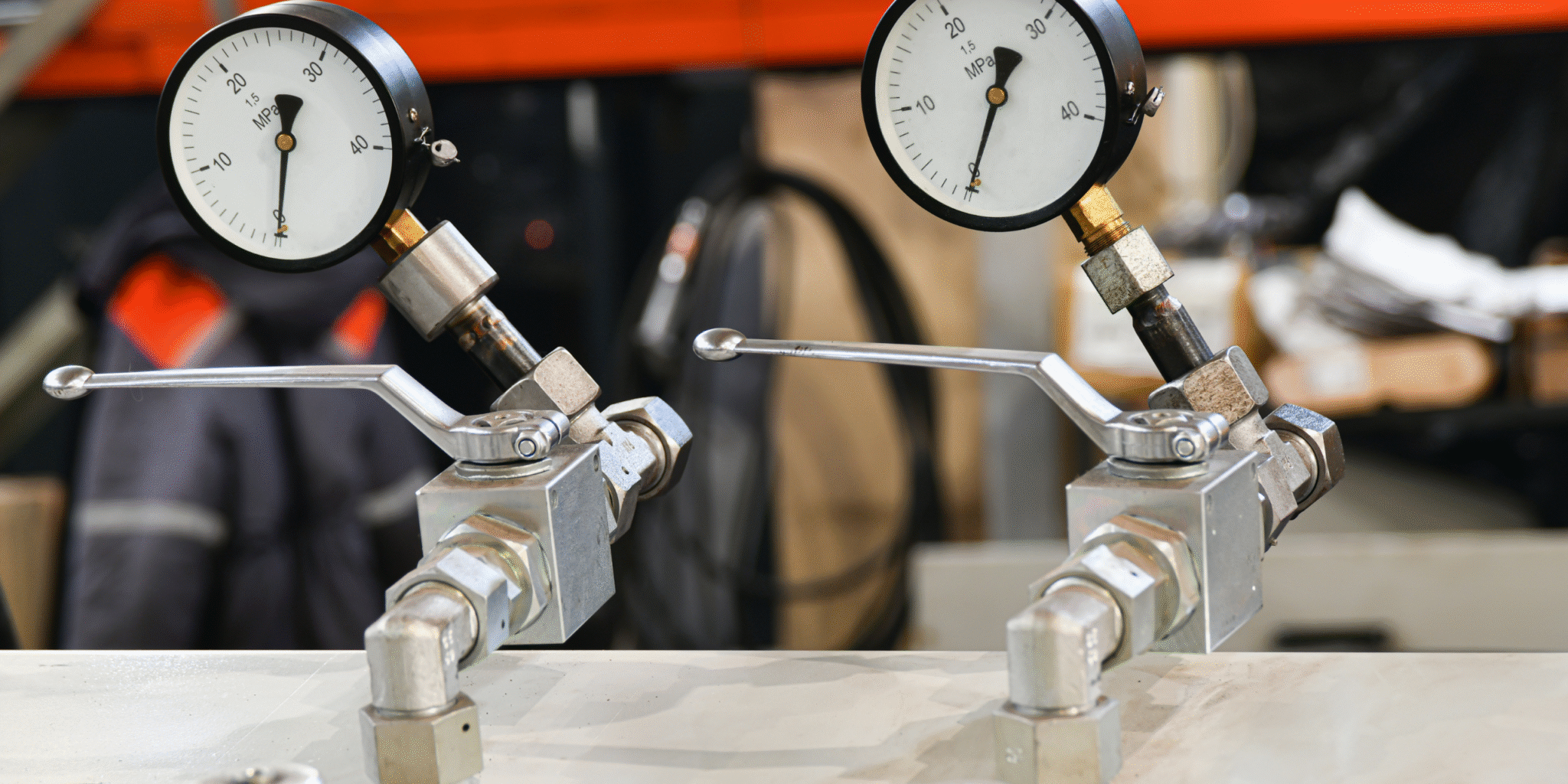
Critical Programming Parameters for Industrial Applications
Setpoint Configuration and Switching Logic
Setpoint programming determines when the switch activates or deactivates based on measured pressure. Most programmable pressure switches support dual setpoints, one for activation, another for deactivation. The difference between these values defines hysteresis, which prevents rapid cycling when pressure hovers near the threshold.
For construction equipment hydraulic systems, proper hysteresis programming extends component life by reducing mechanical wear. A typical excavator hydraulic circuit might use a 150 bar activation setpoint with 10 bar hysteresis, allowing the pump to cycle efficiently without excessive starts. Insufficient hysteresis causes chatter; excessive hysteresis reduces system responsiveness.
Window comparator modes enable monitoring pressure within a safe operating range. This proves essential in HVAC refrigeration systems where both overpressure and underpressure conditions indicate problems. Program the upper setpoint to catch refrigerant overcharge or condenser blockage while the lower setpoint detects leaks or insufficient charge.
Programming for Safety Compliance and Certification
The 2026 regulatory landscape demands documented safety function programming, particularly in potentially explosive atmospheres. ATEX and IECEx certified electronic pressure switches must maintain intrinsic safety parameters during programming and operation.
Safety Integrity Level (SIL) applications require specific programming practices. When using smart pressure switches in SIL-rated safety functions, configuration must prevent dangerous failures. This includes programming redundancy checks, diagnostic routines, and fail-safe output states. Many facilities now require configuration management systems that log all programming changes with user authentication and timestamp data.
Industry-Specific Programming Strategies
Mobile Hydraulics and Construction Equipment
Construction equipment presents unique programming challenges. Temperature extremes, vibration, contamination, and varying duty cycles require adaptive programming approaches. A hydraulic excavator operates differently during precision grading versus heavy breakout work.
Modern programmable pressure switches on construction equipment support multiple operating profiles selectable through operator interfaces or automatically through machine control systems. Programming might include a high-performance mode with tighter setpoints for precision work and a robust mode with wider tolerances and longer delays for heavy loading conditions.
Filter monitoring represents a critical application. Program electronic pressure controllers to measure differential pressure across hydraulic filters, triggering maintenance alerts before restriction causes component damage. A typical programming strategy uses gradual warning escalation—first alert at 75% of maximum differential, second alert at 90%, with equipment derate or shutdown at 100%.
HVAC and Refrigeration Systems
Building systems benefit significantly from electronic pressure switch programming flexibility. Seasonal adjustment without physical component replacement optimizes efficiency across operating conditions. A rooftop HVAC unit in Phoenix operates under different pressure profiles than identical equipment in Minneapolis.
Modern refrigeration monitoring programs both high-side and low-side pressures with correlational logic. Smart pressure switches can detect abnormal pressure relationships indicating specific problems—simultaneous high discharge and low suction pressure suggests compressor failure, while high discharge with high suction indicates condenser problems.
Energy efficiency regulations in 2026 increasingly require demonstrable system optimization. Programming electronic pressure controllers to modulate compressor staging based on precise pressure thresholds reduces energy consumption. A supermarket refrigeration rack might program four-stage compressor control with setpoints optimized for capacity, efficiency, and equipment protection.
Automotive Manufacturing and Testing
Automotive production lines use programmable pressure switches extensively in assembly equipment, paint systems, and quality testing stations. Programming requirements emphasize repeatability and traceability.
Leak testing stations program digital pressure switches with narrow tolerances—often 0.1% of full scale—to detect minute leaks in brake systems, fuel systems, or HVAC components. Test sequences include stabilization delays, measurement periods, and pass/fail decision algorithms all executed through switch programming.
Paint booth pressure control programming maintains precise differential pressures preventing overspray migration while meeting air quality regulations. Typical programming includes cascade control algorithms where multiple pressure switches create zones with progressively negative pressure from clean areas toward contaminated areas.
Programming Best Practices and Common Mistakes
Documentation remains the most overlooked aspect of electronic pressure switch programming. Every programmable pressure switch installation should include recorded configuration parameters, programming rationale, and acceptance test results. When troubleshooting occurs months or years later, this documentation proves invaluable.
Common programming errors include:
- Insufficient hysteresis causing rapid cycling and premature wear
- Excessive dampening delaying response to genuine safety events
- Setpoints programmed in different units than sensor calibration
- Failure to program temperature compensation in variable environments
- Inadequate password protection allowing unauthorized changes
- Programming outside sensor accuracy range expecting precise control
Validation testing confirms programming achieves intended results. Apply known pressures across the operating range and verify switching occurs at programmed setpoints within specified tolerances. Document results as baseline for future comparison.
Selecting Programmable Pressure Switches for Your Application
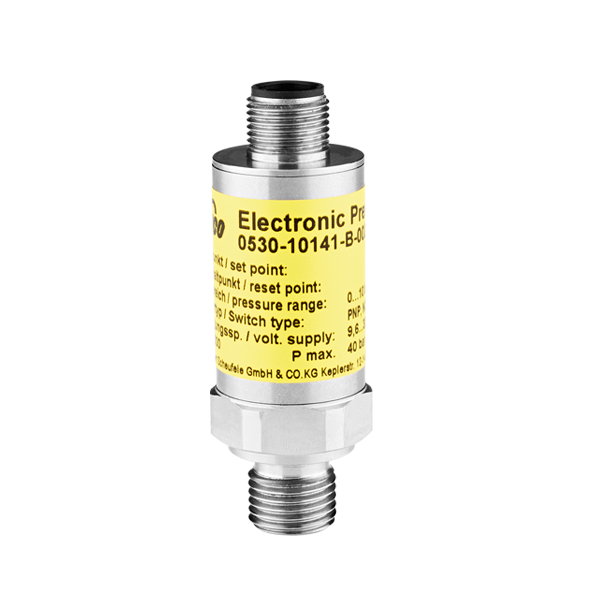 Programming capabilities vary significantly among electronic pressure controllers. Basic models offer simple setpoint adjustment through potentiometers or button interfaces. Advanced units provide comprehensive programming through software interfaces with simulation and testing capabilities.
Consider these selection criteria:
- Programming interface complexity versus user skill levels
- Configuration memory retention during power loss
- Parameter security and access control features
- Diagnostic capabilities and fault reporting
- Communication protocol compatibility with existing systems
- Environmental rating matching installation conditions
Silicon-on-Sapphire sensor technology in programmable switches delivers advantages in harsh environments. The technology’s inherent stability reduces calibration drift, meaning programmed setpoints maintain accuracy over extended periods despite temperature cycling, vibration, and exposure to aggressive media. This reliability proves particularly valuable in mobile equipment and process applications where field recalibration presents logistical challenges.
> Browse Electronic Pressure Switches
Why SUCO Pressure Switches Enhance Reliability
- Decades of Expertise: SUCO’s electronic pressure switches are built with decades of pressure measurement experience and precision German engineering, ensuring robust construction for demanding industrial use.
- Sophisticated Programming: The switches offer advanced programming capabilities, making them ideal for both legacy system upgrades and new installations.
- Optimal Performance: Understanding programming fundamentals ensures top performance, safety, and reliability, whether upgrading systems for 2026 compliance or designing new applications.
Future Trends in Electronic Pressure Switch Programming
Artificial intelligence integration represents the next evolution in smart pressure switches. Machine learning algorithms will analyze operating patterns and automatically optimize programming for efficiency and equipment protection. Early implementations already adjust setpoints dynamically based on ambient conditions, load profiles, and historical performance data.
Wireless programming capabilities eliminate hardwired connections for configuration changes. Bluetooth and short-range wireless protocols enable smartphone or tablet programming interfaces, improving accessibility while maintaining security through proximity requirements.
Augmented reality programming tools will overlay configuration interfaces onto physical equipment through smart glasses or mobile devices, simplifying parameter entry and reducing errors by visually confirming correct device identification.
Implementing Effective Programming Procedures
- Standardized Worksheets: Use programming worksheets to document application needs, environmental conditions, and safety factors. This ensures consistency and easier knowledge sharing across installations.
- Comprehensive Training: Train technicians on both programming mechanics and the reasons behind settings like hysteresis values and delay times. This helps them make informed adjustments for unique conditions.
- Version Control: Maintain templates for common applications and document any specific changes for each installation. This speeds up commissioning, troubleshooting, and reduces errors.
Need help selecting the right pressure switch?
Contact our technical team serving USA, Canada, and Latin America.
 Email: sales@sucoesi.com
 Phone: 1-561-989-8499