
When a pneumatic control system fails in an automated production line, the consequences cascade rapidly: emergency stops trigger across multiple machines, production halts, deadlines shift, and maintenance teams scramble to identify the fault. In modern manufacturing facilities where compressed air powers everything from robotic grippers to conveyor positioning systems, reliable air pressure monitoring isn’t optional—it’s fundamental to operational continuity.
Pneumatic pressure switches serve as the vigilant sentries of compressed air systems, continuously monitoring pressure levels and triggering immediate responses when parameters deviate from safe operating ranges. These mechanical pressure switches transform physical pressure changes into electrical signals that feed control systems, enabling automated decision-making without human intervention. For facilities operating under lean manufacturing principles where every minute of downtime costs thousands, the reliability of these monitoring devices directly impacts the bottom line.

Understanding Pneumatic Pressure Switch Fundamentals
Industrial pneumatic switches operate on straightforward mechanical principles that have proven reliable across decades of industrial application. Unlike electronic sensors that require continuous power and signal processing, mechanical pressure switches use the physical displacement of sensing elements to actuate electrical contacts directly.
The core component—typically a diaphragm, piston, or Bourdon tube responds to pressure changes by moving against a calibrated spring. When pressure reaches the setpoint threshold, this movement trips a snap-action switch mechanism that changes the electrical contact state. This mechanical actuation provides inherent reliability because the switching action depends on physical laws rather than electronic component stability.
SUCO’s engineering approach emphasizes this mechanical reliability while incorporating precision manufacturing techniques developed over 80 years of pressure measurement specialization. German engineering standards ensure consistent setpoint accuracy and repeatability across thousands of switching cycles, critical factors in automated systems where false triggers disrupt production flow.
Critical Applications in Manufacturing Automation
Pneumatic Control Circuit Protection
Automated manufacturing systems rely on compressed air supply networks operating within specific pressure ranges. Too low, and actuators fail to generate sufficient force; too high, and seals rupture or components suffer accelerated wear. Air pressure monitoring through strategically placed pneumatic pressure switches provides real-time protection across these networks.
In automotive assembly lines, robotic positioning systems require consistent pneumatic pressure to maintain precise component placement tolerances measured in fractions of millimeters. Pressure switches monitor supply lines to each robotic cell, immediately signaling control systems when pressure drops below operational thresholds. This prevents defective assemblies from progressing through production stages where they’d be more costly to identify and correct.
Compressor Station Management
Industrial air compressors operate most efficiently within defined load cycles. Pressure switches enable automatic start-stop control, bringing additional compressor capacity online when system demand increases and shutting down units when pressure stabilizes. This automated load management reduces energy consumption while ensuring adequate supply during production peaks.
Modern facilities increasingly implement cascading compressor controls where multiple units operate in coordinated sequences managed by industrial pneumatic switches at various pressure setpoints. A primary compressor handles baseline demand, secondary units activate at higher consumption periods, and emergency backup systems engage only when primary capacity proves insufficient. Each stage requires switches with precise, repeatable setpoints to prevent hunting behavior where units cycle unnecessarily.
Quality Assurance Integration
Manufacturing processes involving pneumatic clamping, pressing, or forming operations depend on achieving specified pressure levels to meet quality standards. Pressure switches integrated into automated test stations verify that operations completed successfully before allowing parts to advance.
In electronics manufacturing, pneumatic pressure drives component insertion equipment. Switches confirm adequate pressure existed during insertion cycles, creating verifiable quality records traceable to individual assemblies. When pressure falls outside parameters, the system automatically flags affected units for inspection rather than allowing questionable assemblies into the supply chain.
Construction Equipment Mobile Hydraulics
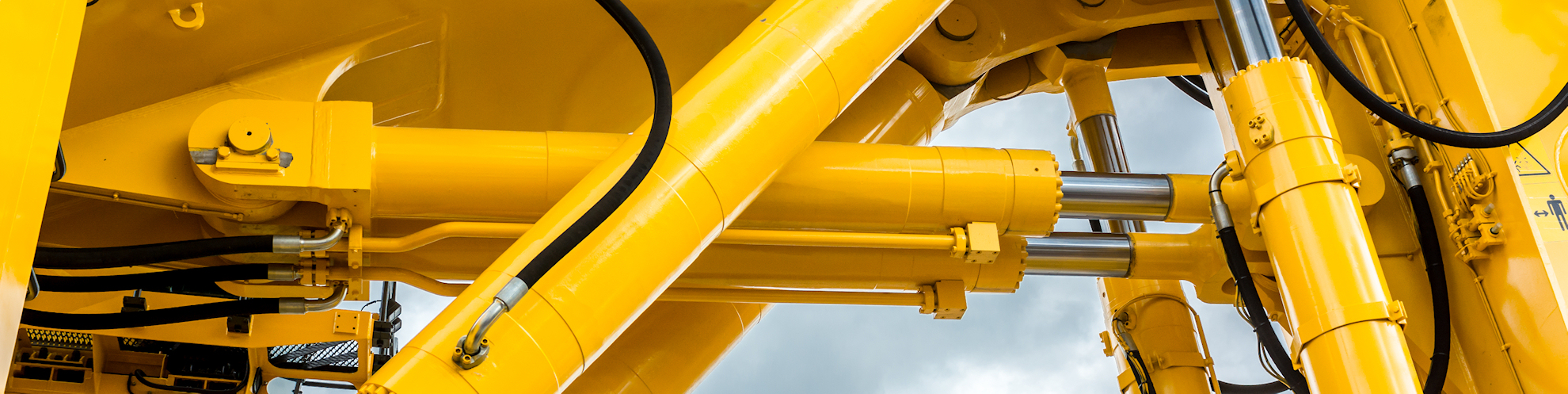
While hydraulic systems dominate heavy construction equipment actuation, pneumatic circuits play essential roles in control systems, braking mechanisms, and cab comfort systems. Mobile applications present unique challenges: severe vibration, temperature extremes, contamination exposure, and space constraints that demand ruggedized mechanical pressure switches.
Air brake systems in heavy construction vehicles require fail-safe pressure monitoring. Switches must reliably detect insufficient air pressure and prevent equipment operation until safe pressure rebuilds. For these safety functions, SUCO offers mechanical pressure switches, including fail-safe versions with short-circuit and cable break detection designed for safety systems such as brake systems. Where continuous pressure monitoring is needed, ESI pressure transducers with Silicon-on-Sapphire sensing offer excellent long-term stability.
Pneumatic suspension systems in operator cabs use pressure switches to maintain ride quality while adapting to varying terrain. These switches trigger compressor activation when suspension pressure drops, ensuring operator comfort that directly impacts productivity during extended shifts. The vibration resistance engineered into industrial-grade switches prevents false triggering that would cause unnecessary compressor cycling and energy waste.

HVAC and Building Automation Systems
Modern commercial buildings employ sophisticated pneumatic control systems managing air handling units, damper positioning, and zone pressure control. Building automation requires pneumatic pressure switches that maintain accuracy over years of continuous operation with minimal maintenance intervention.
Air Handler Differential Pressure Monitoring
Filter loading in air handling systems increases resistance and reduces airflow efficiency. Differential pressure switches monitor the pressure drop across filter banks, signaling building management systems when filters require replacement. This automated monitoring prevents the energy waste associated with clogged filters while ensuring indoor air quality standards.
Rather than time-based filter changes that waste serviceable filters or delay replacements past optimal points, pressure-based monitoring ensures changes occur precisely when needed. In facilities with variable occupancy and air quality conditions, this responsive approach optimizes both energy consumption and maintenance labor.
Clean Room Pressure Control
Pharmaceutical manufacturing, semiconductor fabrication, and precision assembly operations require controlled room pressurization that prevents contamination infiltration. Pneumatic pressure switches monitor room pressure relative to adjacent spaces, triggering corrective fan speed adjustments when pressure differentials drift from specifications.
These applications demand switches with fine pressure resolution and high repeatability since the controlled differentials may span only a few pascals. Differentials this small are below the setting ranges of typical mechanical pressure switches, so contact our engineering team to match a switch or a low-range differential pressure transducer to the application.
Selection Criteria for Industrial Applications
Pressure Range and Setpoint Accuracy
Match the switch pressure range to application requirements with adequate margin. Switches operating mid-range provide better long-term accuracy than those working at range extremes. Setpoint accuracy specifications indicate how closely the actual switching pressure matches the configured value—critical for applications with tight process tolerances.
Repeatability specifications define how consistently the switch actuates at the same pressure across multiple cycles. High-quality industrial pneumatic switches maintain repeatability within 1-2% of setpoint across millions of cycles, while economy switches may drift 5% or more, requiring frequent adjustment.
Environmental Protection Standards
Manufacturing environments expose equipment to dust, moisture, cleaning chemicals, and temperature variations. IP (Ingress Protection) ratings indicate enclosure resistance to solid particles and liquid ingress. Most industrial applications require minimum IP65 protection (dust-tight, protected against water jets), while washdown environments demand IP67 or higher.
Temperature ratings must accommodate both ambient conditions and heat generated by adjacent equipment. Switches mounted near compressors, ovens, or other heat sources require elevated temperature specifications beyond typical industrial ranges.
Electrical Contact Specifications
Contact ratings must exceed the maximum current and voltage in control circuits with appropriate safety margin. Inductive loads like relay coils and solenoid valves generate voltage spikes during switching that can weld contacts or cause premature failure in underrated switches. Gold-plated contacts provide superior reliability for low-level signal circuits common in PLC interfaces.
Consider whether applications require normally open, normally closed, or changeover contact configurations. Changeover contacts enable both alarm and control functions from a single switch, simplifying installation while reducing component count.
Installation Best Practices for Maximum Reliability
Proper installation significantly impacts switch performance and longevity. Mount switches in locations that represent actual system pressure without dead-leg pockets where stagnant air accumulates moisture and contaminants. Orient switches per manufacturer specifications—many designs require specific mounting positions to ensure internal mechanisms function correctly.
Use appropriate pressure port fittings with sealant suitable for air service. Avoid over-tightening hex body switches, which can distort housings and affect calibration. Torque specifications exist for good reason; follow them precisely.
Protect switches from direct moisture exposure even when rated for wet environments. While sealed switches withstand water exposure, minimizing exposure extends service life. Install drain legs at low points in pneumatic lines to remove condensate before it reaches switches.
Electrical conduit connections should use strain relief fittings that prevent wire tension from transferring to switch terminals. Vibration environments require additional wire securing to prevent fatigue failures at connection points.
Maintenance and Troubleshooting Approaches
Mechanical pressure switches require minimal maintenance when properly selected and installed, but periodic verification ensures continued reliability. Implement calibration checks during scheduled maintenance outages, comparing actual switching pressures against setpoints using reference pressure sources traceable to national standards.
When switches exhibit erratic behavior, investigate root causes before replacement. Pressure fluctuations, moisture accumulation, or contamination often cause symptoms mistakenly attributed to switch failure. Install pressure gauges temporarily to verify stable system pressure before condemning switches.
Keep spare switches for critical applications where failures disrupt production. When replacing switches, use identical models maintaining the same specifications rather than “close enough” substitutes that may introduce subtle performance differences requiring control system adjustments.
Regulatory Compliance in Hazardous Environments
Manufacturing facilities processing flammable materials or operating in potentially explosive atmospheres require ATEX or IECEx certified pressure switches designed to prevent ignition sources. Standard switches generate sparks during contact actuation that could trigger explosions in hazardous locations.
Intrinsically safe switch designs limit electrical energy to levels incapable of ignition even during fault conditions. Explosion-proof enclosures contain any internal ignition, preventing flame propagation to surrounding atmospheres. SUCO offers ATEX-certified intrinsically safe switches (series 0390, 0391, 0393, 0396 and 0397) and ATEX/IECEx-certified explosion-proof switches (series 0344 and 0345), and the certificates can be downloaded from our certifications page.
Partner with Pressure Monitoring Specialists
Selecting appropriate pneumatic pressure switches requires balancing technical specifications, environmental factors, and application-specific demands. SUCO’s engineering team brings more than 80 years of pressure measurement expertise to application consultations, helping identify optimal solutions that maximize reliability while controlling total ownership costs.
Contact SUCO’s technical specialists to discuss your pressure monitoring requirements.
Email: sales@sucoesi.com
Phone: 1-561-989-8499
Written by Skyler Libkie, SUCO ESI North America writer