
Pressure Sensors for Data Center Cooling Systems
As data centers handle more computing power, traditional air-cooling systems are being pushed to their limits. Higher heat loads, increasing energy costs, and the need for greater server density are driving the shift toward liquid cooling systems. In these applications, accurate pressure monitoring plays an important role in keeping cooling systems running safely, efficiently, and reliably.
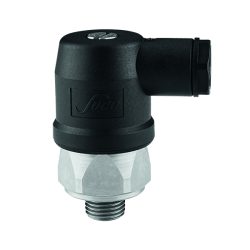
SUCO pressure sensors provide accurate and dependable pressure measurement for modern data center cooling systems. Designed for liquid cooling loops, coolant distribution units (CDUs), heat exchangers, and other cooling applications.
Why Choose SUCO Pressure Sensors?
- Reliable pressure monitoring for liquid cooling systems, including direct-to-chip and immersion cooling applications.
- Durable stainless steel construction for long-term reliability.
- Accurate pressure measurement helps maintain stable coolant flow and cooling system performance.
- Reduces downtime and maintenance costs through dependable system monitoring.
- Easy integration into OEM equipment, Coolant Distribution Units (CDUs), pump systems, and heat exchangers.
- Supports efficient thermal management and optimized cooling system operation.
- Trusted by engineers and OEMs worldwide for industrial and critical infrastructure data center applications.
Speak With an Expert


Feature Products
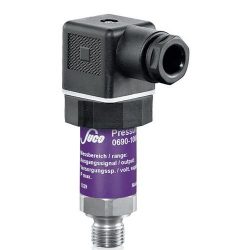
Low Pressure Transducer, Stainless Steel – 0690
■ Stainless steel housing
■ Output Signal: 4-20 mA (2-wire)
■ Industrial fluids used in thermal management
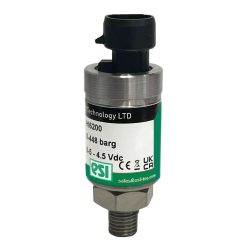
Compact OEM Pressure Transmitter – HI6200
■ Excellent corrosion resistance
■ High overpressure protection
■ High-accuracy
■ Advanced Silicon-on-Sapphire Sensor Technology
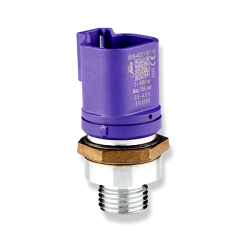
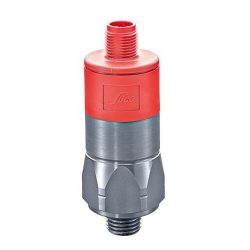
SUCO Pressure Transducer – OEM Sensor
■ Overpressure Protection: From 150 bar to 1,000 bar
■ All-welded, leak-proof construction with no elastomeric seals
FAQ
1. Why is pressure monitoring important in data center cooling systems?
Pressure monitoring helps ensure proper coolant flow throughout the cooling system. By measuring pressure at key points in the loop, operators can identify blocked filters, pump issues, leaks, or flow restrictions before they affect cooling performance. Reliable pressure monitoring helps prevent overheating, improve energy efficiency, and reduce unplanned downtime in data centers.
2. What pressure sensor is best for liquid cooling systems in data centers?
The best pressure sensor depends on the cooling architecture, operating pressure range, media compatibility, and output requirements. For liquid cooling systems, engineers typically look for sensors that offer high accuracy, long-term stability, robust construction, and compatibility with water-glycol mixtures and other cooling fluids. Common output signals include 4–20 mA, 0–10 V, and IO-Link.
3. Where should pressure sensors be installed in a data center cooling system?
Pressure sensors should be installed at key points throughout the cooling loop to provide visibility into system performance and help identify potential issues. Common installation locations include:
- Coolant Distribution Units (CDUs) to track pressure within the coolant circuit.
- Pump outlets to monitor system pressure and verify pump performance.
- Heat exchangers to identify pressure drops that may indicate fouling or flow restrictions.
- Supply lines to verify adequate pressure is being delivered to cooling equipment.
- Return lines to monitor system conditions and compare pressure across the loop.
- Direct-to-chip cooling loops to ensure stable coolant delivery to high-density servers.
- Filter housings to detect clogged filters and schedule maintenance before flow is affected.
Proper sensor placement helps operators detect leaks, blocked filters, pump issues, and other system faults before they impact cooling performance or equipment uptime.
4. How can pressure monitoring improve refrigeration system efficiency?
Pressure monitoring provides real-time information about system operating conditions. Accurate pressure measurement helps technicians optimize refrigerant charge levels, verify compressor performance, identify clogged filters or condensers, and detect leaks. Maintaining proper operating pressures can improve cooling efficiency, reduce energy consumption, and extend equipment life.
5. What are the signs of a faulty pressure sensor in a cooling or refrigeration system?
Common signs of a failing pressure sensor include inaccurate pressure readings, unexpected alarms, frequent compressor cycling, unstable system operation, communication errors, or unexplained changes in cooling performance. Regular inspection and calibration can help identify sensor issues before they affect system reliability.