
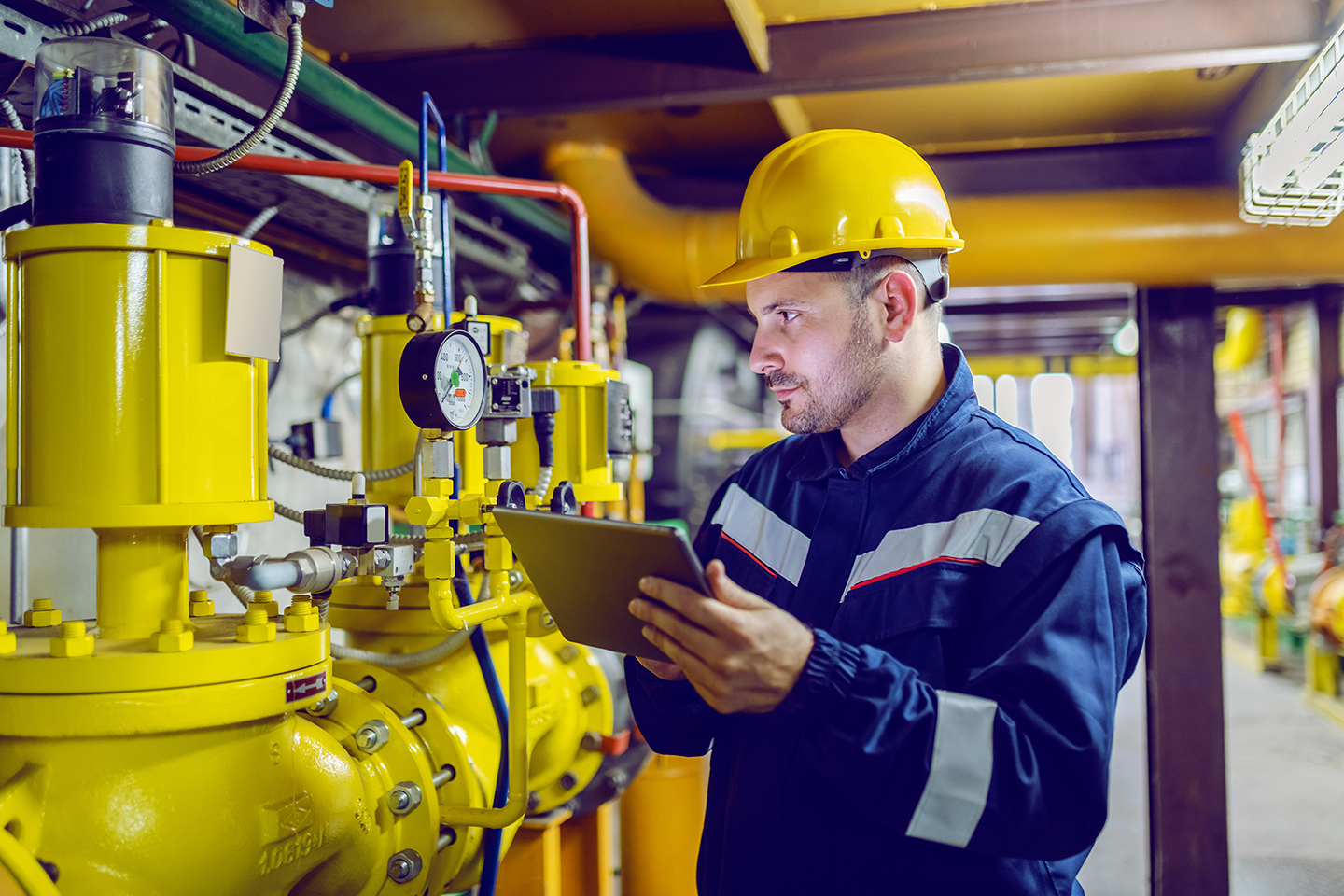
Hydraulic fracturing (fracking) uses extremely high pressure, often above 15,000 psi, and sometimes exceeding 20,000 psi. That is more pressure than most industrial equipment ever experiences.
At these levels, pressure sensors play a crucial role. They do not just measure pressure. They help keep the entire operation safe and running smoothly.
If a pressure sensor fails during fracking, the consequences can be serious. It can lead to equipment damage, environmental risks, and costly shutdowns that may cost hundreds of thousands of dollars per day. Because of this, it is essential to use pressure sensors specifically designed to handle these harsh conditions. Choosing the right sensor can make the difference between a successful operation and a major failure.
Extreme Pressure in Fracking
Hydraulic fracturing works under very high pressure, usually between 9,000 and 15,000 psi, and sometimes over 20,000 psi.
During a job, this pressure goes up and down thousands of times. This puts a lot of stress on pressure sensors. The fluid used in fracking also contains sand or ceramic particles, which can wear down equipment. On top of that, temperatures can range from freezing at the surface to over 300°F underground.
Because of these harsh conditions, many standard pressure sensors fail. They can lose accuracy, drift over time, or even become damaged. This leads to unreliable readings when accurate data is most important.
Why Silicon-on-Sapphire Sensors Are Used
Silicon-on-Sapphire (SOS) sensors are widely used in fracking because they handle extreme conditions better than other types.
They offer key benefits:
- Stay accurate even after repeated pressure cycles
- Handle very high pressure with a strong safety margin
- Work in extreme temperatures without losing performance
- Last longer with less need for recalibration
- Resist vibration and shock from pumping equipment
These advantages help reduce downtime, lower costs, and improve safety.
Where Pressure Sensors Are Used
Pressure sensors are placed at different points in the system:
- Wellhead: Measures pressure going into the well. This is critical for safety and control.
- Manifolds: Help manage flow between wells and detect issues like blockages.
- Pump discharge: Monitors pump performance and protects equipment.
- Chemical injection: Ensures the right mix of fluids for effective fracturing.
 HI5000 Series: Purpose-Built for Pressure Pumping
The HI5000 series pressure sensors represent purpose-built instrumentation for the hydraulic fracturing industry, designed around the proven Silicon-on-Sapphire sensing element. With pressure ranges extending to 72,500 psi and accuracy specifications of ±0.25% full scale, these sensors provide the performance margin required for safety-critical fracking operations.
The robust stainless steel housing withstands the mechanical abuse of field service, while hermetically sealed electronics protect against moisture ingress and contamination. Multiple electrical connection options—including military-grade connectors and field-wireable designs—accommodate the varied requirements of different equipment manufacturers and service companies.
Temperature compensation across a -40°F to 257°F range ensures accurate readings throughout seasonal variations and operational conditions. This wide compensation range is particularly valuable for operations in extreme climates, from North Dakota winters to Texas summers, where surface equipment temperatures vary dramatically.
Selection Criteria for Fracking Pressure Sensors
Choosing appropriate pressure sensors for hydraulic fracturing applications requires evaluating multiple technical parameters beyond simple pressure range. The consequences of incorrect selection extend beyond sensor failure to include operational disruptions and safety incidents.
Pressure Range and Overpressure Protection
Select sensors with working pressure ratings that exceed maximum anticipated treating pressure by at least 25%. For operations routinely reaching 15,000 psi, specify sensors rated for 20,000 psi or higher. Verify overpressure protection specifications—quality sensors should withstand at least 150% of rated pressure without permanent damage. Understanding the difference between pressure sensors, switches, and transducers helps ensure you’re specifying the right instrumentation for each application.
Accuracy and Long-Term Stability
Fracking operations demand sensors maintaining ±0.5% accuracy or better throughout their service life. More importantly, evaluate long-term stability specifications—drift over time affects data quality more than initial accuracy. Silicon-on-Sapphire sensors typically demonstrate <0.1% drift annually, dramatically outperforming alternative technologies.
Cycle Life and Fatigue Resistance
A multi-stage horizontal well completion may involve 30 to 50 individual frac stages, each with multiple pressure cycles. Over a sensor’s service life across multiple wells, total cycles easily reach tens of thousands. Verify that specified sensors are rated for high-cycle applications with documented fatigue resistance.
Hazardous Area Certification
Wellsites represent classified hazardous locations due to potential hydrocarbon releases. Pressure sensors must carry appropriate ATEX or IECEx certifications for Zone 1 or Division 1 applications. In 2026, ATEX certification requirements have become increasingly stringent, making proper specification essential.
Installation and Calibration Best Practices
Even premium pressure sensors underperform when improperly installed or inadequately maintained. Implementing proper installation practices and calibration protocols maximizes sensor reliability and data quality.
Mount sensors in locations minimizing vibration transmission from pumps and engines. Use isolation valves enabling sensor removal for calibration without system depressurization. Install sensors with diaphragms oriented vertically when possible to prevent proppant accumulation. Provide impulse lines with gentle bends rather than sharp elbows that create turbulence and pressure drops.
Establish a calibration schedule based on operational intensity. High-volume operations may require quarterly calibration verification, while less active equipment can operate on annual schedules. Maintain calibration records demonstrating traceability to NIST standards. Pressure transducer calibration best practices apply equally to sensors deployed in fracking applications.
When sensors show drift or questionable readings, replace rather than attempt field repair. The cost of a replacement sensor is negligible compared to operational decisions made on faulty data. Maintain an adequate spare inventory, particularly for critical measurement points like wellhead pressure.
Safety and Regulatory Considerations
Pressure monitoring serves as a critical safety system in hydraulic fracturing operations. Regulatory frameworks increasingly mandate continuous pressure recording with automatic shutdown systems activated by pressure excursions. The Bureau of Land Management, state regulatory agencies, and operators’ own safety protocols specify pressure monitoring requirements for well control.
Modern fracking operations typically implement redundant pressure measurement at critical points, with independent sensors feeding control systems and data recording separately. This redundancy ensures that single-point failures don’t compromise safety or data integrity. Sensors selected for safety-critical applications should carry relevant safety integrity level (SIL) ratings demonstrating their suitability for protective functions.
Documentation requirements for fracking operations include complete pressure records throughout well completion. Sensors must provide reliable output suitable for continuous data acquisition systems, with signal conditioning appropriate for the monitoring equipment used. Verify electrical output specifications match data acquisition system requirements—4-20mA current loops remain standard, though digital protocols like Modbus are gaining adoption for advanced monitoring systems.
Frequently Asked Questions
What are fracking operations?
Fracking operations, formally known as hydraulic fracturing, involve injecting fluid at high pressure into subsurface rock formations to create fractures that allow oil and natural gas to flow more freely. The process pumps millions of gallons of water mixed with sand and chemical additives into horizontal wellbores at pressures typically ranging from 9,000 to 20,000 psi. These fractures are held open by proppant (usually sand), creating pathways for hydrocarbons to reach the wellbore for production.
What is fracking and why is it so controversial?
Hydraulic fracturing is a well stimulation technique enabling economic production from low-permeability formations like shale. The controversy stems from environmental concerns including groundwater contamination risks, induced seismicity from wastewater disposal, methane emissions, and water consumption. Proponents cite energy independence, economic benefits, and improved safety compared to coal. Regardless of the broader debate, pressure monitoring technology plays a critical role in safe operations by enabling precise control and early detection of anomalies.
Who benefits the most from fracking?
Multiple stakeholders benefit from hydraulic fracturing: oil and gas companies gain access to previously uneconomic reserves; landowners receive royalty payments; local communities see employment growth and tax revenue; consumers benefit from increased energy supply and lower prices; and manufacturers gain access to inexpensive natural gas as feedstock and fuel. The pressure measurement industry has also benefited significantly, with hydraulic fracturing driving demand for extreme-pressure instrumentation and advanced monitoring technology.
Is fracking still happening in the US?
Yes, hydraulic fracturing remains widespread across the United States in 2026. Major producing regions include the Permian Basin in Texas and New Mexico, the Marcellus and Utica formations in Pennsylvania and Ohio, the Bakken formation in North Dakota, and the Eagle Ford in Texas. While the pace of activity fluctuates with commodity prices and capital availability, fracking continues as the primary method for developing unconventional oil and gas resources, representing a majority of new well completions.
Partnering for Pressure Measurement Excellence
With over 80 years of engineering experience, SUCO designs and manufactures high-performance pressure sensors trusted across the USA, Canada, and Latin America. The HI5000 series is engineered for extreme pressure applications, delivering the durability and accuracy required for modern well completion operations.
Get Expert Help Choosing the Right Sensor
Looking for the best reliable pressure sensors in North America or Latin America?
Contact SUCO to get expert help and the best solution for your hydraulic fracturing operation.
 Email: sales@sucoesi.com
 Phone: 1-561-989-8499
Written by Skyler Libkie, SUCO ESI North America writer
Reviewed by Engineering Team