
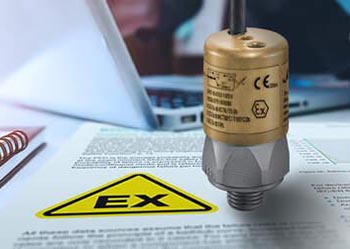
A single spark in a hazardous atmosphere can trigger catastrophic explosions, equipment destruction, and loss of life. For facilities handling flammable gases, vapors, or combustible dusts, selecting pressure monitoring equipment isn’t just about measurement accuracy—it’s about ensuring every component meets stringent explosion protection standards. ATEX certification and proper zone classification matching represent the foundational elements of safe pressure switch deployment in potentially explosive atmospheres.
Understanding ATEX zone classifications and selecting appropriately certified pressure switches has become increasingly critical as industries expand into hydrogen production, biogas facilities, and advanced chemical processing. The regulatory landscape in 2026 continues evolving, with enforcement authorities scrutinizing equipment certification documentation more rigorously than ever before.
ATEX Directive Fundamentals for Pressure Monitoring Equipment
The ATEX Directive (2014/34/EU) sets the rules for equipment used in potentially explosive environments across Europe. The name “ATEX” comes from the French words “ATmosphères EXplosibles.” The directive has two parts: one for manufacturers (equipment directive) and one for employers (workplace directive).
For pressure switches and transmitters, ATEX certification means the device is designed with special features, materials, and safety methods to prevent sparks or heat that could cause an explosion. To get this certification, independent organizations called notified bodies test the equipment thoroughly to ensure it meets all safety standards.
ATEX-certified pressure switches will have specific markings on them. These include:
- Equipment group (I for mining, II for surface industries)
- Protection category (1, 2, or 3 — higher numbers mean greater safety)
- Explosion protection type
- Temperature class
- Equipment protection level (EPL)
Knowing what these markings mean helps you select the right pressure switch and stay compliant with safety laws in explosive environments.
Hazardous Area Zone Classification Explained
Zone classification represents a systematic method for categorizing areas based on the frequency and duration of potentially explosive atmospheres. This classification directly determines which equipment categories and protection levels are permissible in specific locations.
Gas and Vapor Classifications
For facilities handling flammable gases or vapors, three zone categories exist:
- Zone 0: Areas where explosive gas atmospheres are present continuously, for long periods, or frequently. Equipment for Zone 0 requires Category 1 certification—the highest protection level. Typical Zone 0 areas include the vapor space inside storage tanks or closed vessels containing flammable liquids.
- Zone 1: Locations where explosive gas atmospheres are likely to occur during normal operation. Category 2 equipment (designed for Zone 1 and Zone 2) is the minimum acceptable. Process areas near pumps, compressors, or filling stations often receive Zone 1 classification.
- Zone 2: Areas where explosive atmospheres are not likely under normal operation, and if they occur, will exist only briefly. Category 3 equipment suffices for Zone 2 applications. These areas typically include locations adjacent to Zone 1 areas where gas migration is possible only under abnormal conditions.
Dust Classifications
Combustible dust environments use parallel zone designations (Zone 20, 21, and 22) with corresponding frequency and duration criteria. Industries processing grain, pharmaceuticals, metals, or plastics must consider dust classifications when specifying explosion proof pressure switches.
Selecting the Right Pressure Switch for Your Application
Proper selection depends on multiple factors:
- Zone Classification & Protection Level
- Temperature Class (T1 to T6):
- T1 (450°C) for most hydrocarbons
- T6 (85°C) for sensitive environments like carbon disulfide
- Gas Group Compatibility:
- IIA, IIB, IIC based on flammability
- Hydrogen (Group IIC) requires the highest standards
- Environmental Conditions:
- Vibration, corrosion, temperature extremes
Industry-Specific Applications & Compliance
Oil and Gas Operations
Offshore platforms, refineries, and petrochemical facilities represent classic hazardous area environments requiring explosion proof pressure switches throughout process systems. Wellhead monitoring, separation equipment, storage tanks, and loading facilities all contain Zone 0, 1, or 2 areas demanding appropriate ATEX certified instrumentation.
Marine and offshore applications introduce additional challenges including vibration, salt spray corrosion, and extreme temperatures. SUCO’s German-engineered pressure switches incorporate stainless steel construction and hermetically sealed sensor technology providing exceptional durability in these demanding conditions.
Chemical and Pharmaceutical Manufacturing
Chemical processors handling volatile solvents, reactive materials, or flammable intermediates require comprehensive hazardous area classification and appropriately certified pressure monitoring. Batch reactors, distillation columns, solvent recovery systems, and transfer operations typically involve Zone 1 and Zone 2 areas.
Pharmaceutical facilities increasingly employ flammable solvents in API production, creating hazardous atmospheres requiring ATEX compliance. Additionally, combustible dust from powder handling operations necessitates dust-rated pressure switches in material conveying and processing equipment.
Renewable Energy
Anaerobic digestion facilities, biogas upgrading plants, and biomethane injection stations have proliferated across Europe in 2026 as renewable energy infrastructure expands. These facilities handle methane-rich gases in Zone 1 and Zone 2 environments requiring certified pressure switches for digester monitoring, gas compression, and pipeline management.
Installation and Maintenance Compliance Requirements
ATEX certification alone doesn’t guarantee safe operation—proper installation, regular maintenance, and documentation are equally critical for regulatory compliance and operational safety.
Installation Best Practices
Installation personnel must possess appropriate training and qualifications for working with ATEX equipment in classified areas. Cable glands, conduit sealing, and electrical connections must maintain the protection method’s integrity. For flameproof equipment, thread engagement depth and gland torque specifications require strict adherence.
Intrinsically safe circuits demand particular attention to grounding requirements, cable separation from non-IS circuits, and verification that associated apparatus (barriers, isolators) maintains system safety parameters within certified limits.
Maintenance and Inspection Programs
Regular inspection programs should verify ATEX markings remain legible, enclosures maintain integrity without cracks or corrosion, cable glands retain proper sealing, and no unauthorized modifications have been made. Many jurisdictions require documented inspection records as evidence of ongoing compliance.
When pressure switches require replacement or repair, substitutions must maintain equivalent or superior ATEX certification for the specific zone classification and environmental conditions. Using non-certified equipment or inappropriate protection types in classified areas violates ATEX workplace directive requirements and creates serious liability exposure.
Frequently Asked Questions
What’s the difference between ATEX Category 2 and Category 3 equipment?
Category 2 equipment (Ex 2) provides protection suitable for Zone 1 environments where explosive atmospheres are likely during normal operation. Category 3 (Ex 3) offers protection adequate for Zone 2 where explosive atmospheres are unlikely and exist only briefly. Category 2 equipment may be used in Zone 2, but Category 3 cannot be installed in Zone 1.
Can I use the same pressure switch in both gas and dust environments?
Equipment must carry specific certification for both gas (Ex) and dust (Ex D) protection if used in combined environments. Many pressure switches carry only gas certification and cannot be deployed in combustible dust atmospheres without appropriate dust protection rating.
How often should ATEX pressure switches be recertified?
ATEX certification doesn’t expire, but equipment must be maintained to preserve original certified condition. Regular inspection intervals depend on facility-specific risk assessments, but annual inspection represents common practice for critical safety instrumentation in hazardous areas.
Partner With German Engineering Excellence for Critical Pressure Monitoring
Selecting appropriate ATEX certified pressure switches for hazardous area applications demands deep technical knowledge of zone classification requirements, protection methods, and application-specific challenges. SUCO’s 80+ years of engineering expertise and Silicon-on-Sapphire sensor technology deliver the reliability and performance critical applications require.
Contact SUCO ESI North America for technical support and application assistance.
 Email: sales@sucoesi.com
 Phone: 1-561-989-8499