
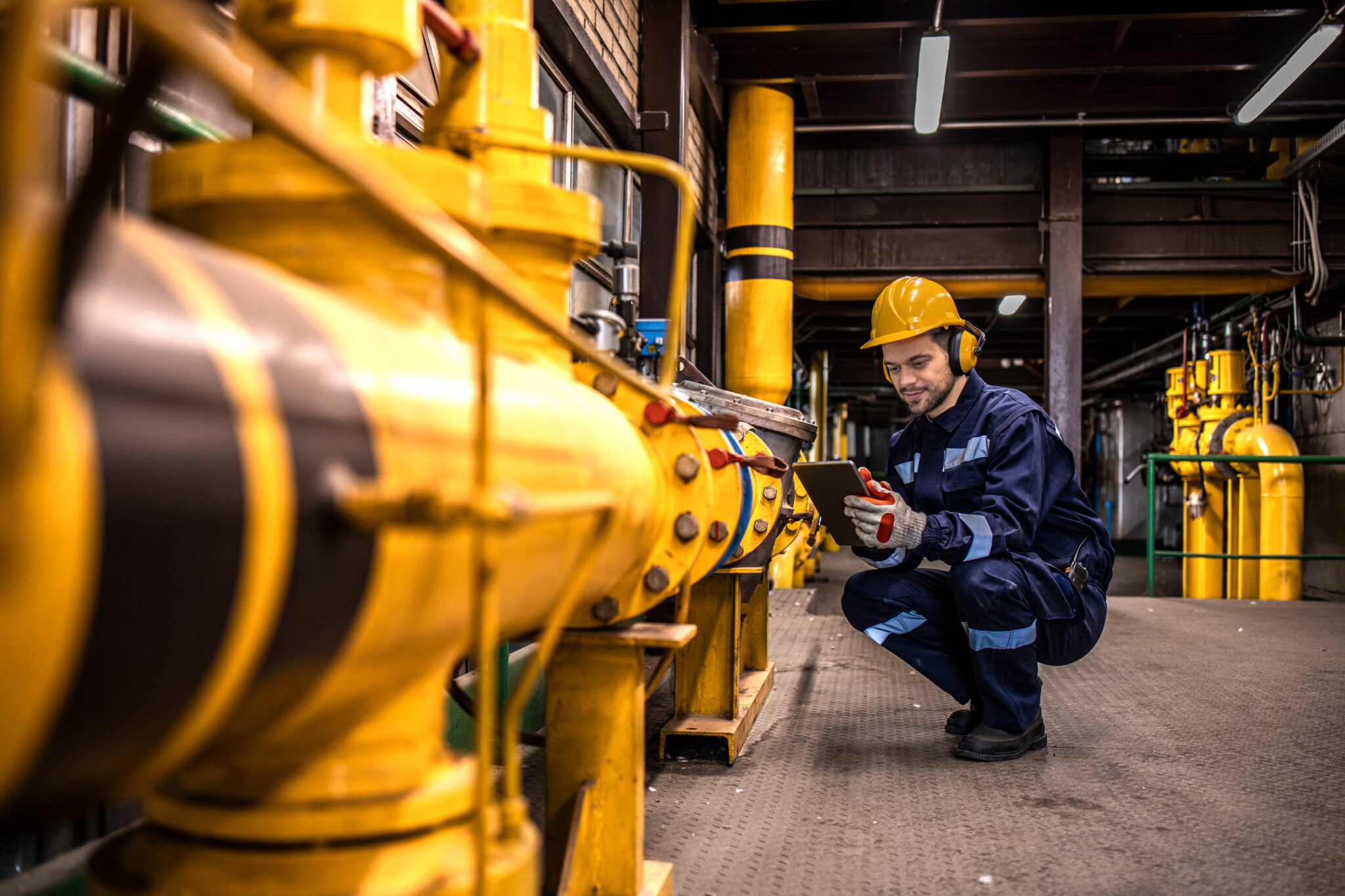
A differential pressure switch is a critical component for protecting industrial systems. By measuring the pressure difference between two points, it detects abnormal conditions in filters, pumps, and flow circuits before they escalate into costly failures.
When a hydraulic filter clogs or a pump runs dry, the resulting pressure changes trigger the switch, which can activate alarms, shut down equipment, or start automated corrective actions. This early warning capability prevents downtime, reduces equipment wear, and improves operational safety.
Common applications include filter monitoring in hydraulic systems, pump protection, and HVAC airflow verification. By integrating differential pressure switches into predictive maintenance programs, engineers can extend equipment life, optimize performance, and reduce unplanned operational disruptions.
What Is a Differential Pressure Switch?
| Component / Function | Description |
|---|---|
| Measurement Principle | A differential pressure switch measures the pressure difference (ΔP) between two locations in a system. |
| High-Pressure Side | Connected to the upstream point where pressure is higher. |
| Low-Pressure Side | Connected to the downstream point where pressure is lower. |
| Key Insight | The pressure difference reveals system conditions that single-point pressure measurements cannot detect. |
| Common Applications | Filter clogging detection, pump protection, flow verification, and HVAC airflow monitoring. |
| Trigger Condition | When the measured differential pressure reaches a preset threshold, the switch activates. |
| Typical Actions | Trigger an alarm, shut down equipment, alert operators, or initiate automated corrective actions. |
| Operational Benefit | Prevents equipment damage and costly downtime by detecting problems early. |
Mechanical vs Electronic Differential Pressure Switches
Two main technologies dominate the market.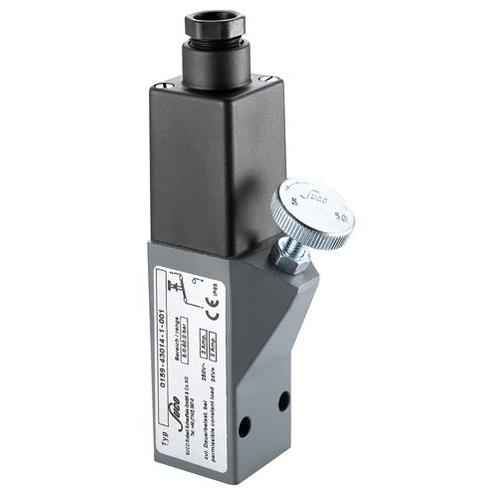
Mechanical Differential Pressure Switches
Mechanical switches use diaphragms or pistons connected directly to electrical contacts.
When pressure difference changes, the sensing element physically moves and activates the switch.
Advantages include:
- Extremely robust
- No external power required
- High reliability in harsh environments
- Fail-safe behavior
These switches are commonly used in:
- Construction equipment
- Mobile hydraulics
- Remote industrial systems
- Heavy machinery
Their simplicity makes them ideal where maintenance access is limited.
Electronic Differential Pressure Switches
Electronic switches use advanced sensors such as Silicon-on-Sapphire (SOS) or MEMS-based sensing elements.
Compared to mechanical designs, they provide:
- Higher measurement accuracy
- Better repeatability
- Stable performance across extreme temperatures
- Digital integration
Additional features often include:
- Programmable setpoints
- Multiple switching points
- Adjustable hysteresis
- Analog outputs (4–20 mA)
- PLC communication
These capabilities make electronic switches suitable for modern automated industrial systems.
> View SUCO Differential Pressure Switches
Filter Monitoring: The Most Common Application
The most widespread use of differential pressure switches is filter monitoring.
As a filter captures contaminants, resistance to flow increases. This causes a measurable pressure drop across the filter element.
Differential pressure directly reflects filter condition:
| Differential Pressure | Filter Condition |
|---|---|
| Low | Clean filter |
| Moderate | Normal operation |
| High | Filter approaching clogging |
When pressure exceeds a predefined threshold, the switch signals that the filter should be replaced.
This prevents:
- Filter collapse
- Bypass valve opening
- Contaminated fluid circulation
- Damage to downstream components

Hydraulic Filter Monitoring in Construction Equipment
Mobile equipment operates in extremely dirty environments.
Excavators, cranes, and construction machinery are exposed to:
- Dust
- Debris
- Moisture
- Wear particles
A differential pressure switch installed across a hydraulic return filter monitors contamination levels.
As the filter clogs, pressure differential increases.
Typical warning thresholds range from 3–5 bar in hydraulic systems.
This allows operators to replace filters before critical failures occur.
Prevented failure modes include:
- Filter collapse from excessive pressure
- Bypass valve activation allowing unfiltered oil
- Pump and valve damage from contaminated fluid
Differential Pressure Switches in HVAC Systems
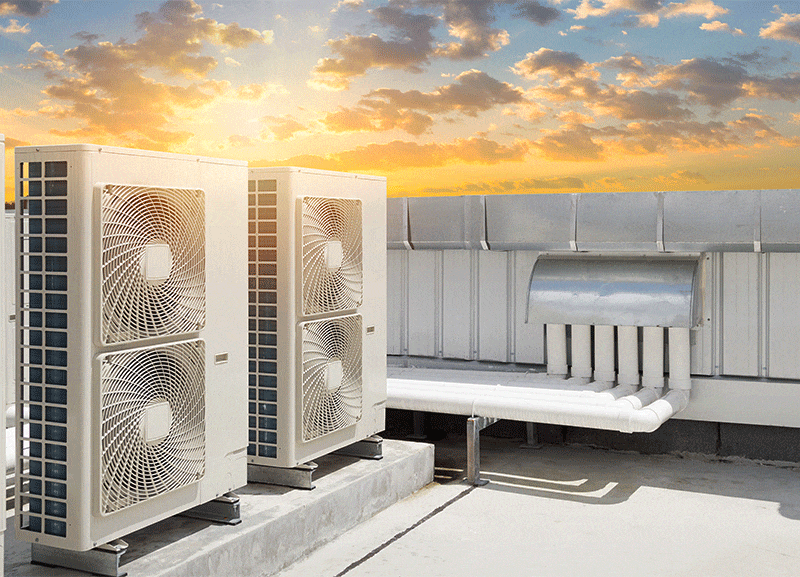
Air filters in ventilation systems gradually clog with dust and particulates. This increases airflow resistance and reduces system efficiency.
By monitoring pressure across air filters, switches can:
- Detect clogged filters
- Trigger maintenance alerts
- Optimize energy consumption
- Maintain indoor air quality
These switches often integrate with building management systems (BMS) for automated monitoring.
Pump Protection Applications
Pumps are critical industrial assets that require continuous monitoring.
Differential pressure switches can detect conditions that lead to pump failure.
Inlet Strainer Monitoring
Many pumps use strainers or suction filters to prevent debris ingestion.
When these strainers clog, inlet pressure drops and restriction increases.
A differential pressure switch installed across the strainer detects this condition early.
This prevents:
- Flow reduction
- Cavitation
- Pump overheating
- Internal pump damage
Water treatment plants commonly use this method to prevent damage from seasonal debris or biological buildup.
Flow Monitoring Using Differential Pressure
Differential pressure can also be used to verify fluid flow.
By measuring pressure across a flow restriction such as:
- Orifice plates
- Venturi tubes
- Flow nozzles
Engineers can estimate flow using Bernoulli’s principle.
In many industrial systems, precise flow measurement isn’t necessary. Operators simply need confirmation that flow exists.
Differential pressure switches provide simple flow verification.
Common examples include:
- Cooling systems
- Lubrication circuits
- Machine tool coolant lines
- Industrial heating systems
If pressure differential drops below a threshold, it indicates insufficient or stopped flow.
How to Select a Differential Pressure Switch
Selecting the right switch requires several engineering considerations.
Pressure Range and Setpoint
The device must support the expected differential pressure range.
Typical ranges include:
- 0.5–10 bar for filter monitoring
- Higher values for pump protection systems
A common guideline is to set the alarm threshold at 70–80% of the filter bypass pressure.
Media Compatibility
Materials must withstand the monitored fluid.
Typical material combinations include:
| Application | Materials |
|---|---|
| Hydraulic oil | Stainless steel + Viton |
| Water systems | Stainless steel |
| Refrigeration | Compatible with HFC/HFO refrigerants |
| Air systems | Durable elastomer diaphragms |
Material compatibility ensures long-term reliability.
Environmental Protection
Harsh environments require proper sealing and certification.
Common requirements include:
- IP67 or IP69K for outdoor equipment
- ATEX / IECEx for hazardous areas
- High vibration tolerance for mobile machinery
These certifications are critical in industries such as petrochemical processing and heavy equipment.
Electrical Output
The switch output must match the control system.
Common configurations include:
-
SPST – simple alarm trigger
-
SPDT – alarm plus status signal
-
4–20 mA output – continuous monitoring
Electronic switches allow integration with PLC and predictive maintenance systems.
Installation Best Practices
Proper installation ensures accurate readings and long service life.
Recommended practices include:
- Install pressure ports directly before and after the monitored component
- Keep impulse lines short and unobstructed
- Prevent air or sediment buildup in tubing
- Use vibration isolation for mobile machinery
Incorrect installation can produce false pressure readings.
Maintenance and Calibration
Differential pressure switches require minimal maintenance but should be periodically checked.
Typical maintenance includes:
- Annual calibration verification
- Inspection for diaphragm fatigue
- Cleaning of impulse lines
- Electrical contact inspection
Common failure causes include:
- Pressure spikes
- Corrosion
- Contaminated impulse lines
- vibration fatigue
Routine checks ensure long-term accuracy and reliability.
> Watch Pressure Switch Calibration
Why Differential Pressure Monitoring Matters
Differential pressure switches are small devices with a large impact.
They help industries:
- Prevent equipment failures
- Reduce downtime
- Optimize maintenance schedules
- Improve safety
From construction equipment to HVAC systems, differential pressure monitoring is one of the most cost-effective protection strategies available.
The SUCO Advantage in Differential Pressure Technology
With more than 80 years of German engineering experience, SUCO ESI North America has developed specialized expertise in pressure monitoring technologies for demanding industrial environments.
One of the key technologies used in advanced electronic differential pressure switches is Silicon-on-Sapphire (SOS) sensing. Compared with traditional strain gauge or thin-film sensors, SOS technology offers several advantages:
- Higher measurement stability over time
- Improved accuracy across wide temperature ranges
- Greater resistance to corrosive media
- Excellent durability under thermal cycling
For industrial systems that operate continuously or in remote locations, these advantages are significant. Greater sensor stability means:
- Longer calibration intervals
- Reduced maintenance costs
- Higher overall system reliability
In applications where unplanned downtime can cost thousands—or even millions—of dollars, reliable pressure monitoring becomes a critical part of system design.
SUCO also offers Differential Pressure Transducers > view more info
Conclusion
Differential pressure switches are essential for protecting industrial systems. By monitoring pressure differences across filters, pumps, and flow restrictions, they detect problems early; before they lead to costly failures or downtime.
Used across hydraulics, HVAC, and process systems, these devices enable predictive maintenance, improve reliability, and help maintain safe operating conditions.
With decades of pressure switch expertise, SUCO ESI North America provides robust differential pressure monitoring solutions designed for demanding industrial environments.
Contact SUCO ESI North America for technical support and application assistance. We serve the US, Canada, and Latin America. Hablamos español.
 Email: sales@sucoesi.com
 Phone: 1-561-989-8499