
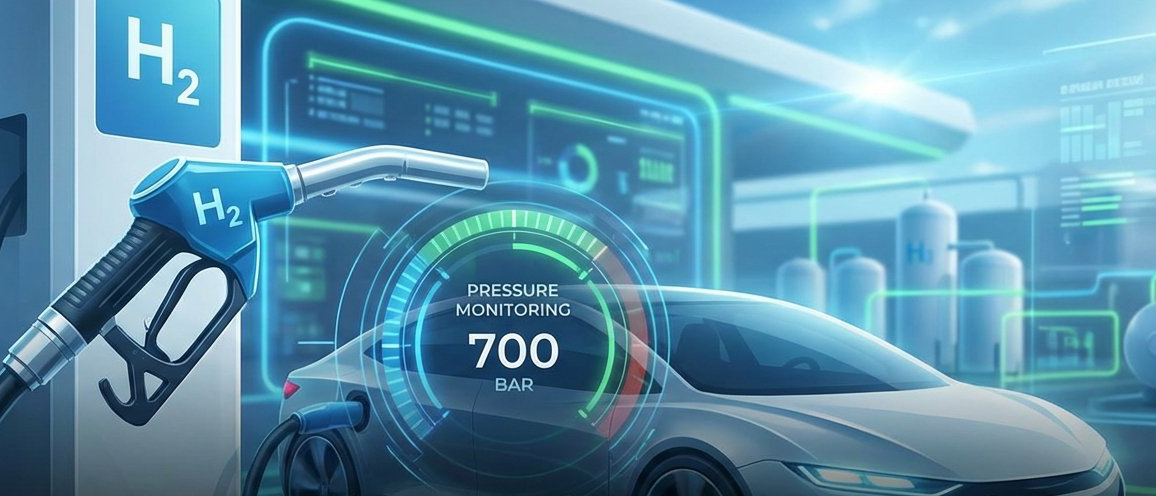
Hydrogen Refueling Station Design: Critical Pressure Monitoring Requirements for Safety, Compliance, and Fast-Fill Performance
Hydrogen refueling stations operate at extreme pressures (up to 1,000–1,200 bar), wide temperature swings, and in classified hazardous areas.
One inaccurate pressure reading can lead to:
- Overfill events
- Compressor damage
- Hydrogen venting
- Failed inspections
- Costly downtime
What Makes Hydrogen Pressure Monitoring Different from Other Gases?
Hydrogen is fundamentally different from compressed air, nitrogen, or CNG.
Key Challenges:
- High pressure: 350 bar (commercial) and 700 bar (passenger vehicles)
- Storage pressures: 900–1,000+ bar to maintain fill margin
- Wide temperature swings: +85°C compression to -40°C fast-fill cooling
- Small molecular size: High permeation potential
- Explosive atmosphere classification: Gas Group IIC
Hydrogen systems must comply with standards such as:
- National Fire Protection Association (NFPA 2 – Hydrogen Technologies Code)
- American Society of Mechanical Engineers (ASME Section VIII – Pressure Vessels)
- SAE J2601 (Fueling protocol)
- ISO 19880-1 (Hydrogen fueling stations)
- IECEx / ATEX hazardous area requirements
Standard industrial pressure sensors are typically not designed for these combined stressors.
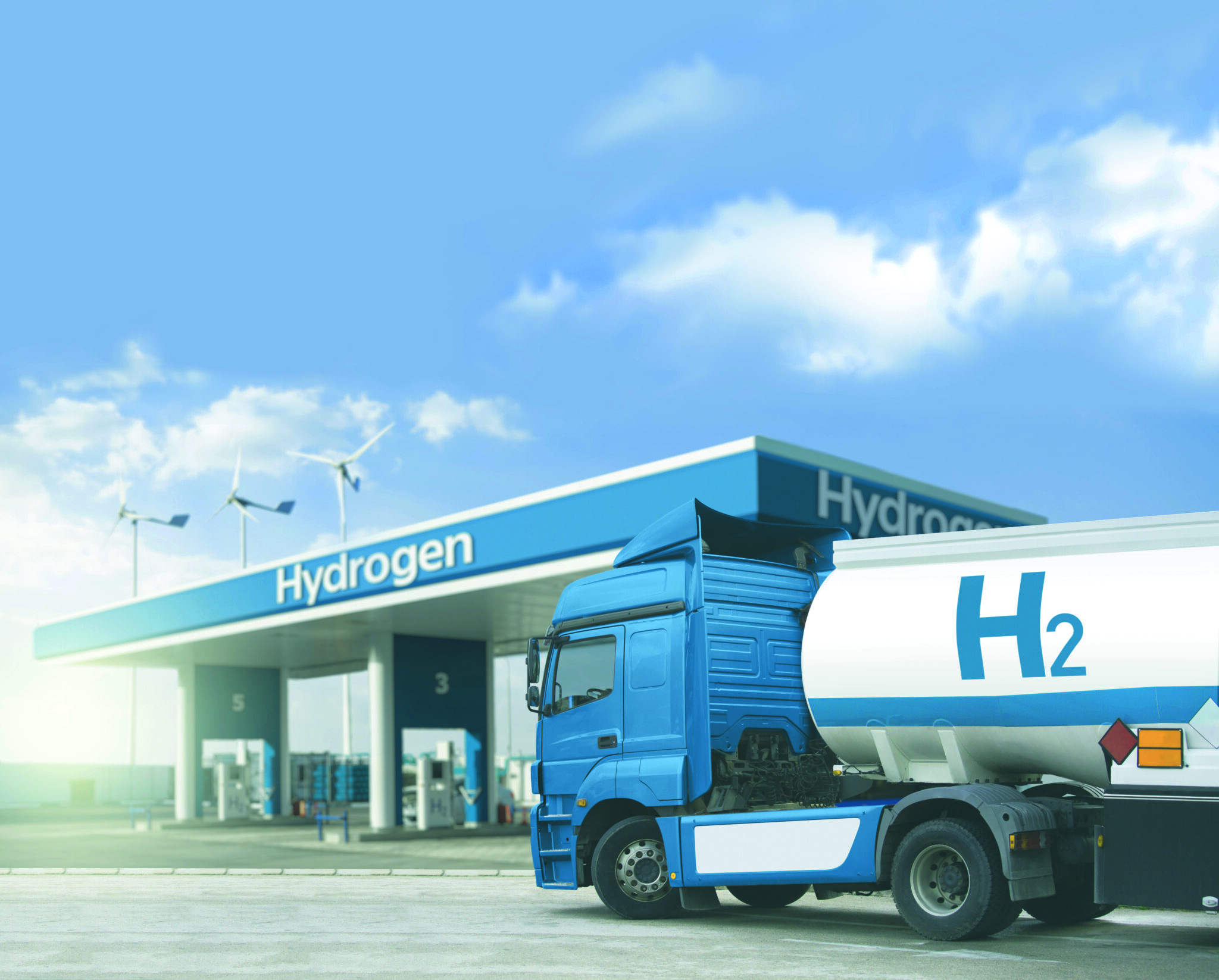
What Pressure Rating Is Required for Hydrogen Refueling Stations?
Recommended Minimum Ratings
| Application Area | Recommended Sensor Rating |
|---|---|
| Vehicle dispensing (700 bar) | 0–1,000 bar minimum |
| Storage cascade | 0–1,000 bar |
| Design margin | 0–1,200 bar preferred |
Sensors should include design margin above maximum operating pressure to reduce fatigue and long-term drift.
How Does Hydrogen Embrittlement Affect Pressure Sensors?
Hydrogen atoms can diffuse into certain metals under high pressure, leading to:
- Microcracking
- Loss of ductility
- Premature fatigue failure
Materials Commonly Used
| Material | Hydrogen Resistance | Notes |
|---|---|---|
| 316L Stainless Steel | Good | Widely used, must be properly processed |
| Inconel | Very good | Higher cost, strong resistance |
| Hastelloy | Very good | Used in extreme chemical service |
| Elastomer seals | Poor | Risk of explosive decompression |
⚠️ Elastomeric seals in high-pressure hydrogen are a common failure point due to permeation and decompression damage.
For long-term reliability, all-welded, metal-sealed designs are strongly preferred.
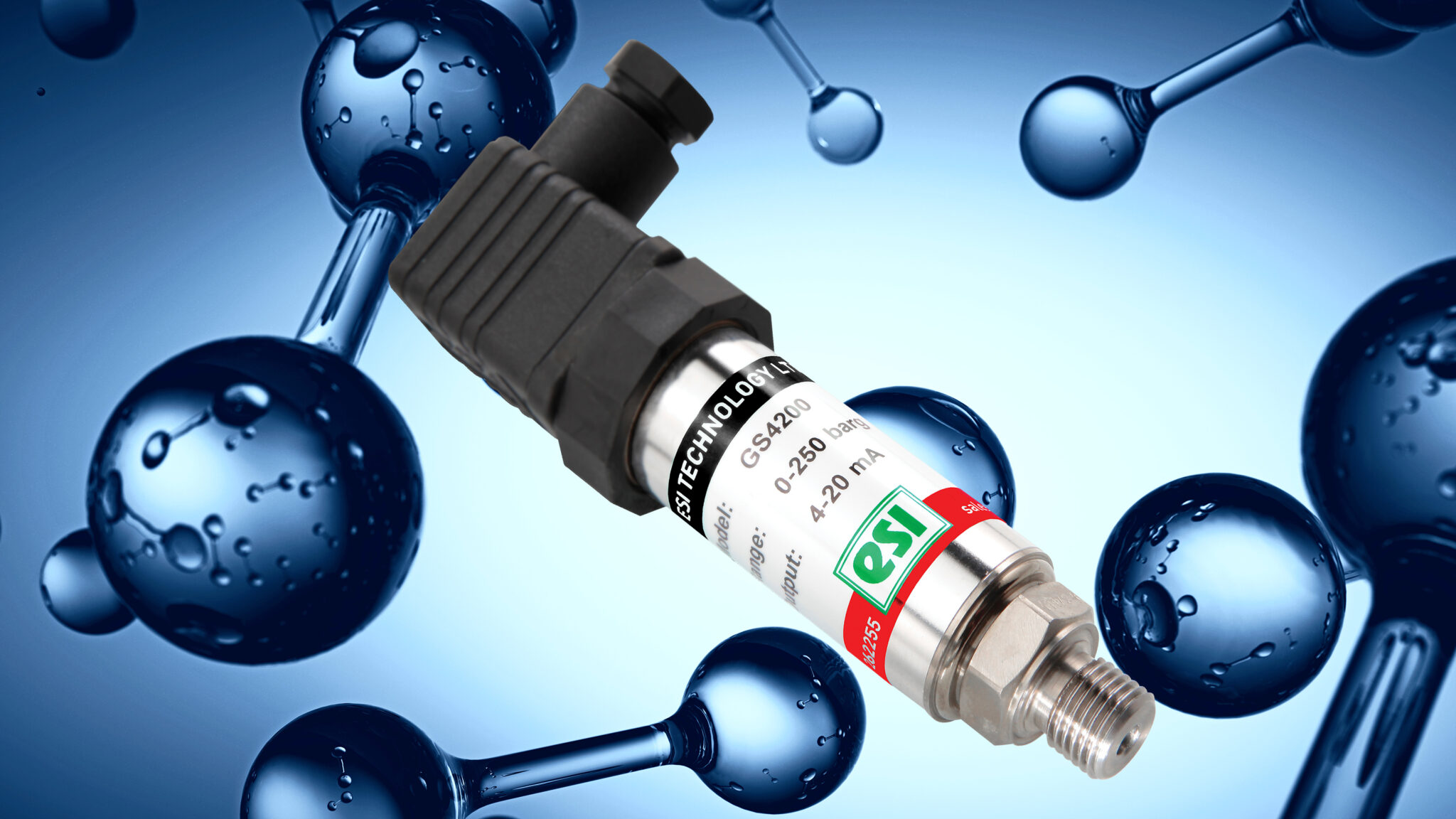
What Sensor Technology Is Best for 1,000 Bar Hydrogen?
Different sensing technologies respond differently to hydrogen exposure and temperature extremes.
Technical Comparison: Pressure Sensor Technologies for Hydrogen
| Feature | Thin-Film on Metal | Strain Gauge | Silicon-on-Sapphire (SOS) |
|---|---|---|---|
| Hydrogen diffusion risk | Moderate | Moderate | Very low |
| Thermal stability | Medium | Low | Very high |
| Seal requirements | Often elastomer | Often elastomer | All-welded possible |
| Drift under thermal cycling | Moderate | Higher | Very low |
| Suitability for 1,000 bar | Limited | Moderate | Excellent |
Why Silicon-on-Sapphire Is Advantageous
- Sapphire diaphragm provides high chemical resistance
- Excellent temperature stability (-40°C to +85°C)
- Low hydrogen permeation risk
- Strong long-term calibration stability
For high-cycle hydrogen compression and dispensing, stability under repeated thermal and pressure cycling is critical.
What Accuracy Is Required for SAE J2601 Fast Filling?
Hydrogen fast-fill protocols demand precise pressure ramp control.
Recommended Performance Specifications:
- Accuracy: ±0.5% full scale or better
- Response time: < 50 ms
- Temperature compensation: -40°C to +85°C
- Long-term drift: < ±0.25% annually
Insufficient temperature compensation can cause:
- Underfilling (customer dissatisfaction)
- Overfilling (safety risk)
- Premature shutdown events
Hydrogen pre-cooling systems can drop gas temperature to -20°C to -40°C during filling, making compensation essential.
What Hazardous Area Certifications Are Required?

Hydrogen is classified as Gas Group IIC, the most severe gas group.
Depending on jurisdiction, stations may require:
- ATEX (Europe)
- IECEx (global)
- NEC Class I Division 1 or 2 (U.S.)
Common Protection Concepts
| Protection Type | Typical Marking | Application |
|---|---|---|
| Intrinsic Safety | Ex ia IIC | Preferred for transmitters |
| Flameproof | Ex d IIC | Enclosure-based protection |
| Encapsulation | Ex m | Limited applications |
Intrinsically safe sensors allow more flexible installation in dispenser areas.
Do Hydrogen Refueling Stations Require SIL 2 Pressure Sensors?
Hydrogen stations often implement Safety Instrumented Systems (SIS) rated to SIL 2 for:
- Emergency shutdown (ESD)
- Over-pressure protection
- Compressor trip logic
Important distinction:
- A sensor may be SIL capable
- The entire safety loop determines achieved SIL level
Redundancy strategies include:
- 1oo2 voting
- 2oo3 voting
- Independent hardwired pressure switches
Hardwired hydrogen safety pressure switches provide an additional fail-safe layer independent of PLC software.
Contact SUCO ESI North America for technical support and application assistance. We serve the US, Canada, and Latin America. Hablamos español.
 Email: sales@sucoesi.com
 Phone: 1-561-989-8499
Where Are Pressure Sensors Installed in a Hydrogen Station?
Critical Monitoring Points
1. Compression Train
- Interstage pressure
- Discharge pressure
- Performance trending
- Emergency shutdown triggering
2. Storage Cascade
- Low, medium, high banks
- Over-pressure protection
- Inventory monitoring
3. Dispenser Interface
- Nozzle pressure
- Fast-fill control
- Fill termination accuracy
4. Pre-Cooling System
- Refrigerant pressure
- Cold hydrogen monitoring
How often should hydrogen pressure sensors be calibrated?
Typical intervals:
- Critical safety loops: 3–6 months
- Process monitoring: 6–12 months
Intervals depend on drift history and regulatory requirements.
What causes premature sensor failure in hydrogen stations?
Common causes:
- Elastomer seal degradation
- Thermal cycling fatigue
- Overpressure spikes
- Vibration near compressors
- Poor installation practices
What response time is required for hydrogen dispensing control loops?
Typically under 50 milliseconds to maintain accurate fill ramp execution per SAE J2601 fueling profiles.
Best Practices for Reliable Hydrogen Pressure Monitoring
- Select 1,200 bar rated sensors where possible
- Use all-welded, metal-sealed construction
- Ensure IIC hazardous certification
- Prioritize low-drift sensing technology
- Implement redundant shutdown architecture
- Coordinate alarm setpoints below relief valve thresholds
Proper pressure monitoring reduces:
- Hydrogen venting incidents
- False ESD trips
- Maintenance costs
- Regulatory compliance risks
Building Safe and Efficient Hydrogen Infrastructure
Hydrogen refueling stations depend on precision pressure monitoring for both safety and operational efficiency. As the industry scales across the U.S., Canada, and Latin America, instrumentation decisions made during design directly impact long-term reliability and compliance.
SUCO ESI North America offers long-lasting, reliable hydrogen pressure switches and pressure sensors engineered for demanding high-pressure hydrogen applications. With robust construction, hazardous area certifications, and proven performance in hydrogen environments, SUCO ESI North America supports hydrogen infrastructure projects across the United States, Canada, and Latin America.
For engineers designing new stations or upgrading existing facilities, selecting the right pressure monitoring solution is critical to achieving safe, compliant, and efficient hydrogen operations.
Contact SUCO ESI North America for technical support and application assistance. We serve the US, Canada, and Latin America. Hablamos español.
Email: sales@sucoesi.com Phone: 1-561-989-8499