

An irrigation system that runs dry can burn out a pump in minutes. One that runs at the wrong pressure can destroy emitters, waste water, or leave crops under-irrigated during critical growth stages. In both cases, the failure point often traces back to one small component: the pressure switch.
Selecting the correct pressure switch for agricultural irrigation systems is not complicated; but it does require understanding what you’re actually controlling, what can go wrong, and which specifications matter most in field conditions.
This guide covers everything you need to make a confident, technically sound decision.
See us at World AG Expo 2027
SUCO ESI North America will be exhibiting pressure switches & transducers for agricultural equipment.
February 9–11, 2027 | Tulare, CA
Stop by to see our pressure monitoring solutions for tractors, combines, sprayers, planters, irrigation systems, and other hydraulic farm machinery. Find us at Booth 2022 & 2023.
What a Pressure Switch Actually Does in an Irrigation System
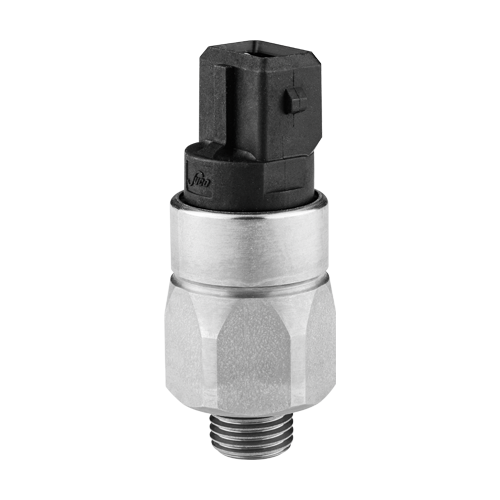
A pressure switch is an electromechanical device that opens or closes an electrical circuit when system pressure reaches a defined threshold. In irrigation, this typically means:
- Starting the pump when line pressure drops below a set point (low-pressure trigger)
- Shutting the pump off when pressure exceeds an upper limit or drops to zero (dry-run protection)
- Triggering alarms or interlocks in automated systems
It’s worth distinguishing this clearly: a pressure switch provides a binary on/off electrical signal. It is not the same as a pressure sensor or pressure transducer, which deliver continuous analog output for monitoring and data logging. Each serves a different function, and confusing the three can lead to misapplication.
In irrigation, the pressure switch is the guardian of your pump and your system. Get it wrong, and you pay the price in equipment damage, crop loss, or both.

How to Choose the Right Irrigation Pressure Switch
There is no universal “best” pressure switch for agricultural irrigation. The right choice depends on your specific system parameters. Here are the seven key selection criteria:
1. Define Your Operating Pressure Range
Most drip irrigation systems operate between 8 and 30 PSI. Sprinkler systems typically run between 30 and 50 PSI. Center-pivot systems may require 40 to 100 PSI or higher depending on elevation changes and nozzle design. Your pressure switch must have a set-point range that fits comfortably within your operating window—not at its limits.
2. Understand Cut-In and Cut-Out Settings
These are the two pressure thresholds that control pump cycling. Cut-in is the low-pressure point at which the pump starts; cut-out is the upper limit at which it shuts off. The difference between them is called the differential. A typical residential setup uses 20/40 PSI or 30/50 PSI. Agricultural systems often need wider differentials to prevent short-cycling, which accelerates pump wear.
3. Match the Electrical Rating to Your Pump Motor
A pressure switch controls an electrical circuit. The switch must be rated for the voltage and amperage of your pump motor. Undersized switches will fail under load—and in some cases, create fire hazards. Always check both the horsepower rating of the pump and the actual running current before specifying a switch.
4. Consider Environmental Exposure
Agricultural environments are harsh. Dust, moisture, UV exposure, chemical drift from fertilizer and pesticide application, and temperature extremes are all common. Look for an enclosure rated IP65 or better for outdoor installation. If the switch is mounted near chemical injection points, verify material compatibility; certain elastomers and housings degrade rapidly in contact with fertilizer solutions.
5. Evaluate Connection Type and Port Size
Most irrigation pressure switches use 1/4″ NPT connections. Verify that the fitting matches your manifold or pressure port. Adapters can work but add potential leak points—particularly problematic in systems running 24/7 during peak season.
6. Dry-Run Protection Requirements
If you’re pumping from a well, pond, or reservoir that could run low, dry-run protection is essential. Some pressure switches include low-pressure cutoff functionality specifically for this purpose. When the inlet pressure drops below a minimum threshold (indicating no incoming water), the switch trips the pump off before damage occurs.
7. Mechanical vs. Electronic
Traditional mechanical pressure switches are robust, cost-effective, and require no external power supply. Electronic pressure switches offer more precise set-point adjustment, status indication, and programmability; useful in automated or remotely monitored irrigation systems. If you’re managing a large-scale operation with SCADA integration, the added capability of an electronic pressure switch may justify the higher upfront cost.
Common Installation Mistakes to Avoid
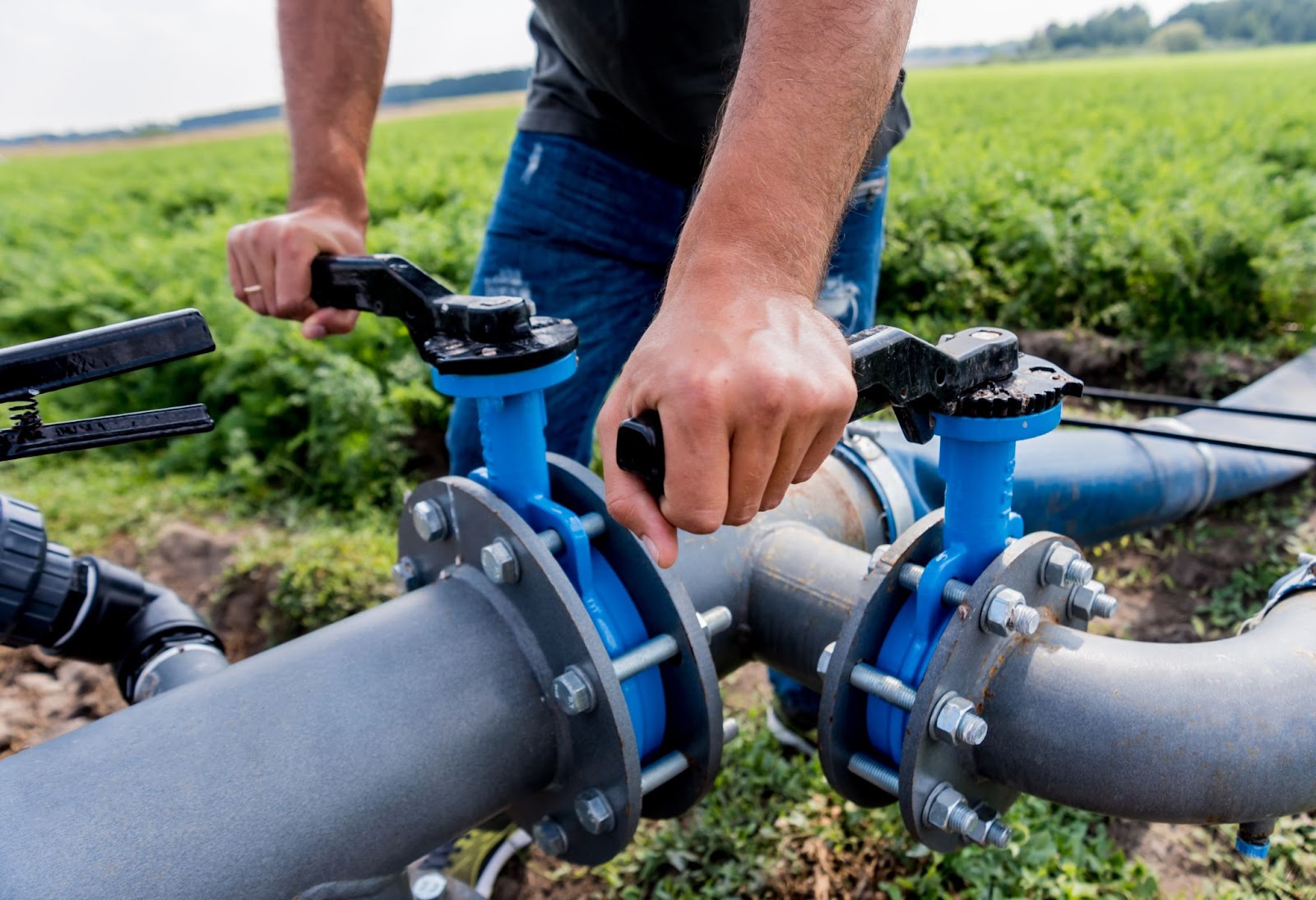
Even the correct switch will fail if installed poorly. These are the most common field errors:
- Installing on the pump discharge before a check valve — The switch reads backflow pressure, not system pressure. Always mount downstream of the check valve.
- Ignoring pressure spikes — Water hammer events can briefly spike pressure well above operating range, triggering false shutdowns or damaging the switch diaphragm. A snubber or damping orifice protects the switch in high-surge systems.
- Overtightening fittings — Cast zinc and plastic housings crack. Use PTFE tape and hand-tighten plus one-quarter turn.
- Incorrect differential setting — Too narrow a differential causes short-cycling; too wide causes insufficient pressure maintenance at zone endpoints.
- Skipping the pressure gauge — Always install a pressure gauge adjacent to the switch for commissioning and troubleshooting. You cannot set or verify switch performance without one.
For a deeper look at selection errors that affect performance across applications, these critical mistakes in pressure switch selection are worth reviewing before finalizing a specification.
Pressure Switches in Large-Scale Agricultural Systems
Small farm installations might use a single pressure switch on a submersible pump. But large-scale operations—covering hundreds of acres with zone-controlled drip or overhead irrigation—require more. In these systems, pressure switches serve multiple functions:
- Zone isolation protection — Detecting a ruptured mainline or broken emitter line through abnormal pressure drop
- Booster pump staging — Sequencing multiple pumps as demand increases across zones
- Filtration system monitoring — Triggering backflush cycles when differential pressure across screen filters exceeds a threshold
- Fertigation system interlocks — Confirming minimum flow pressure before chemical injection begins
In these applications, pressure switches work alongside flow meters and control valves as part of an integrated automation strategy. Understanding how pressure switches function at a mechanical level helps system designers place them correctly within the control architecture.
Maintenance and Longevity
A well-chosen pressure switch in a clean water application should last five to ten years or more. To achieve that lifespan:
- Inspect the switch and connections at the beginning and end of each irrigation season
- Check for mineral scale buildup at the pressure port—this is common in hard water areas and can cause sluggish response or false trips
- Verify set-points annually using a calibrated gauge; diaphragm fatigue can cause drift over time
- Replace any switch that shows signs of corrosion at terminals, cracking of the housing, or inconsistent switching behavior
Do not attempt to repair a pressure switch that has failed. Replacement cost is low compared to the risk of pump damage or crop loss from a misread pressure event.
Frequently Asked Questions
Do irrigation pumps need a pressure switch?
Yes—at minimum, any pump used for irrigation should have dry-run protection, which a pressure switch provides. Without it, a pump running against a closed valve, empty supply, or ruptured line can overheat and fail within minutes. In automated or unattended systems, a pressure switch is not optional—it is essential protection for both the equipment and the water supply.
What is the 30/50 rule for irrigation?
The 30/50 rule refers to common pressure switch set-points: the pump cuts in at 30 PSI and cuts out at 50 PSI. This 20 PSI differential is standard in many residential and light agricultural applications. Larger systems may use 40/60 PSI or custom differentials depending on zone design and pump performance curves. The numbers themselves matter less than ensuring the differential is wide enough to prevent short-cycling while maintaining adequate pressure at the furthest irrigation point.
Do I need a pressure regulator on my irrigation system?
A pressure switch and a pressure regulator serve different functions. The switch controls the pump. The regulator limits maximum pressure delivered to emitters or sprinkler heads. In most drip irrigation systems, pressure regulators at zone inlets are strongly recommended—drip emitters are rated for specific pressure ranges, and exceeding them causes premature failure. The two components work together: the switch manages pump operation, the regulator protects downstream components.
How do you adjust water pressure on an irrigation system?
There are three adjustment points in a typical system. First, the pressure switch cut-in and cut-out settings—usually adjusted via spring-loaded screws inside the switch housing (consult the manufacturer’s instructions). Second, a pressure reducing valve on the mainline, which limits maximum system pressure regardless of pump output. Third, zone-level pressure regulators at each valve or manifold. For precision adjustment, always use a calibrated gauge at multiple points in the system rather than relying on estimated values.
High-Performance Pressure Switches for Demanding Irrigation Applications
SUCO ESI North America supplies mechanical and electronic pressure switches for agricultural irrigation and other demanding applications. We offer pressure switches built for reliable operation, along with technical support to help you choose the right product for your equipment.
Need something specific? SUCO can customize pressure switch solutions to match your equipment and operating requirements. Our technical team supports customers across the USA, Canada, and Latin America, from product selection to application support.
Featured pressure products for agricultural equipment
- Pressure Switch with Zinc-plated Steel (0166)
- Integrated Pressure Switches (0110)
- Pressure Transducer, High-Performance (0710)
- CANbus Pressure Transducer (CAN J1939)
Talk to our technical team about your application.
Email: sales@sucoesi.com | Phone: 561-989-8499