
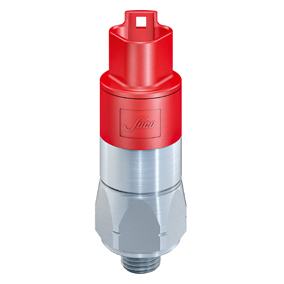
Safety plays a key role wherever systems in medical applications operate under pressure. Our mechanical and electronic pressure and vacuum switches as well as transmitters measure pressure accurately and reliably in medical systems. SUCO pressure switches and transducers are manufactured under an ISO 9001:2015 certified quality system. Using SUCO products ensures the reliability of your system.
Typical pressure-monitoring tasks in medical equipment:
- Medical Ventilators and Respirators
- Monitoring of Gas Supply in Anesthesia Systems
- Control of Medias in Sterilization and Cleaning-Units
- Control of Hydraulic Supply in Operating Tables
- Control Incoming Pressure for Ozone Analyzers (Hyperbaric Ozone Therapy) switching the Machine off upon reaching the specified level or if Safety Sensor fails
- Monitoring of Incoming Pressure of Medical Oxygen before mixing with Ozone in Ozone Generators
- Indicate interferences in Gas Pipe Systems of Medical Gas Supply Systems
- Control the Bottle Pressure of Anesthesia Systems, and the Hydraulic Lift Control of the Operating Table
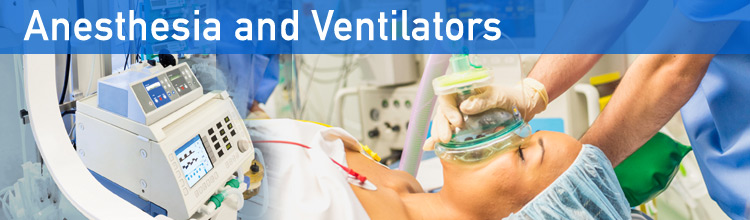
 Ventilator equipment is a generic term for a large number of different designs, including mobile devices for the emergency services or home ventilation equipment. In intensive care units, ventilators are used to ventilate patients for longer periods. Ventilation is performed with a mixture of oxygen and compressed air to which an anesthetic is added if necessary. No published medical-device approval covers SUCO ESI North America products, so contact our engineering team to discuss your application. Click here for product info.
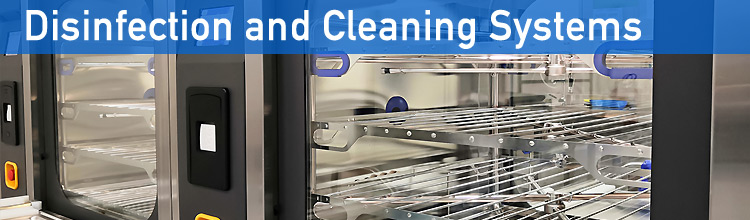
Disinfection and cleaning systems as a given standard in hospitals and medical practices are being produced in very large quantities. The machines initially look very similar to dishwashers, but are used to clean and disinfect instruments and medical devices. The machines work at high temperatures and have the possibility to use disinfectants and special cleaning liquids to (safely) remove both mechanical and biological soiling on the instruments.
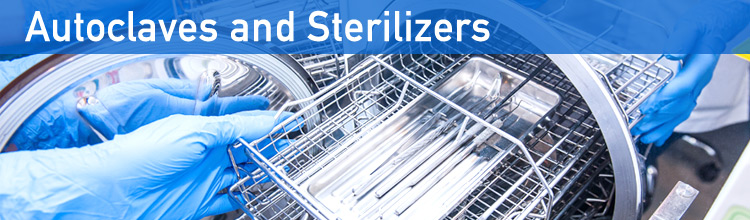
Autoclaves and sterilizers kill all pathogens capable of reproduction using hot steam under high pressure switches. In order to withstand the high pressures, the chambers are normally built in a barrel shape. Normally, autoclaves sterilize at 134°C with a holding time of 5.5 minutes. The systems are first evacuated and then filled with hot steam. These units sterilize instruments contaminated with viruses in combination with upstream cleaning systems. Two typical pressure switch applications in these units are:
- Water ring pumps evacuate the chambers. The pressure switch monitors the water supply to the pumps.
- Door lock – An additional pressure switch monitors the interior and prevents opening of the devices during sterilization.
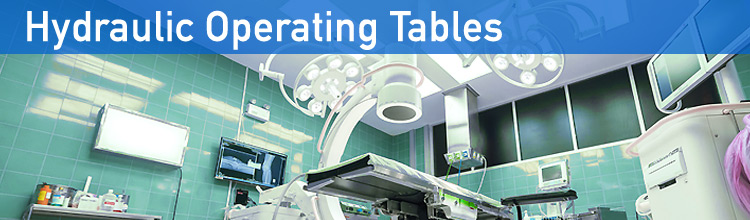
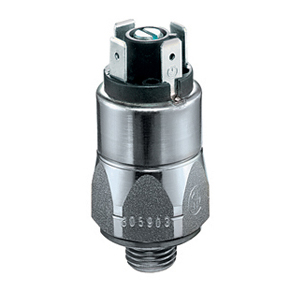
Hydraulic systems are used, for example, in operating tables or rescue tables to safely lift the patient in all positions But also large systems mounted on rollers can be locked and secured with hydraulic rams. See Mechanical pressure switch for hydraulic systems. In hospitals, gas and media supply is normally ensured by permanently installed supply lines. Pressure switches and pressure transducers can monitor the cylinder pressures in the central gas supply as well as the supply for different systems in the treatment room. Diaphragm pressure switches with EPDM seals are listed for oxygen (O2), and SUCO recommends a maximum operating pressure of 10 bar for oxygen service. Piston pressure switches are not suitable for gaseous media such as oxygen. Due to the flammability of oxygen, these products are subject to special restrictions in terms of material selection and country-specific approvals or handling regulations. One application is monitoring oxygen supply in ozone therapy. The ozone (O3) is extracted directly from oxygen on site.
Diaphragm Materials
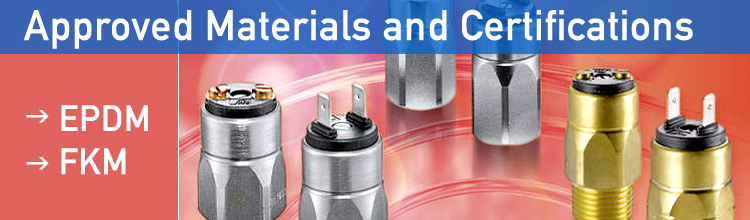
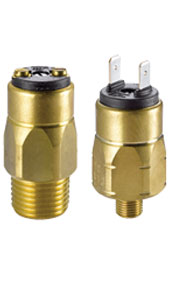
SUCO ESI North America offers pressure switches with a choice of housing and seal materials. Due to the high temperature and corrosion resistance, pressure switches are often made of stainless steel or brass, especially for monitoring drinking water or media containing water, and it is a standard in many medical technology products. For oxygen and water applications SUCO recommends the use of EPDM diaphragms:
- EPDM diaphragm for brake fluid, hydrogen, oxygen, acetylene and similar media. For drinking water, an EPDM-W270 diaphragm is listed for diaphragm switches up to 500 psi (35 bar). Other diaphragm materials include:
- The FKM diaphragm (Viton®) is listed for hydraulic fluids (HFA, HFB, HFD), petrol/gasoline and similar media.
- The Silicone diaphragm is listed for water, food products and air (diaphragm switches only, up to 500 psi / 35 bar). See Diaphragm Pressure Switches
Let us offer the pressure switch or pressure transducer that best fits your application.
Contact us > Phone: 1-800-473-7313 | Email: sales@sucoesi.com